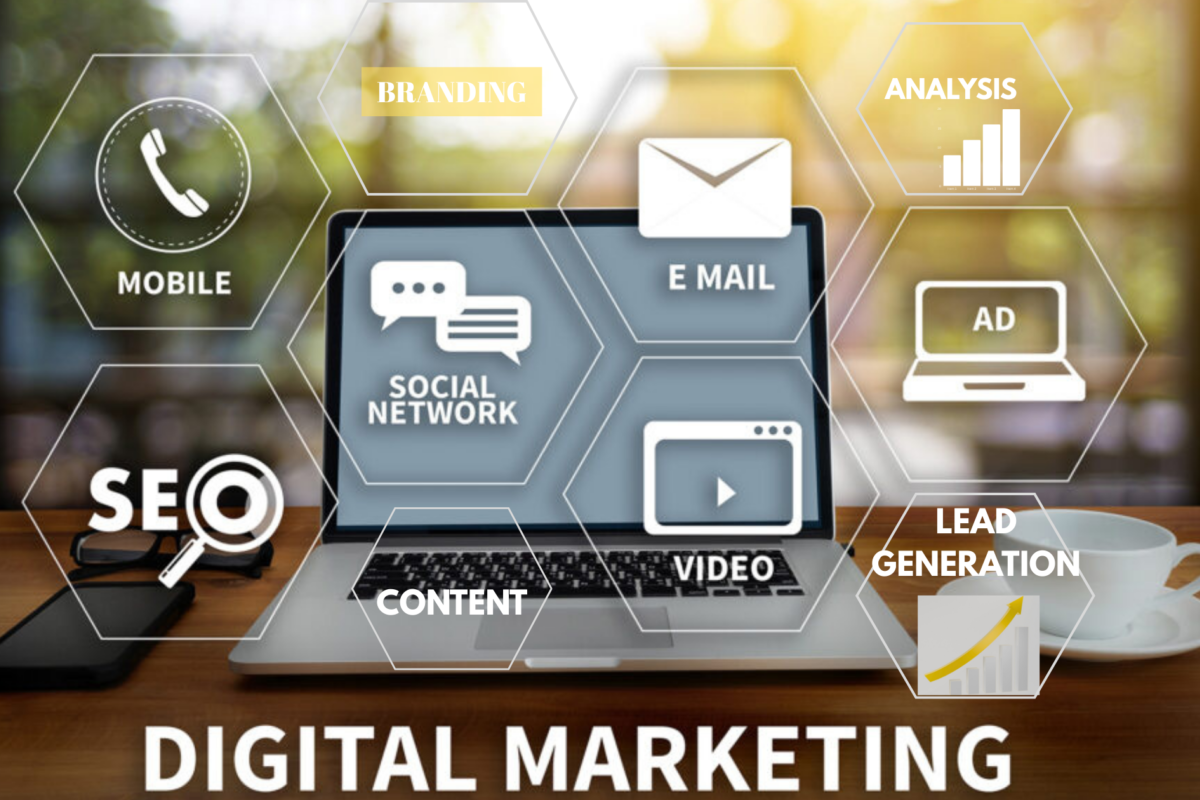
Digital marketing is everywhere. Everyone talks about it, recommends it, and claims it’s essential, but many business owners still feel unsure about what it actually involves or how it’s supposed to work.
You may know you “need” digital marketing, yet feel unclear about where to start, which platforms matter, or how to tell if your efforts are paying off. With so many tools, opinions, and trends competing for attention, it’s easy to feel overwhelmed.
This guide is meant to simplify things. No buzzwords. No hype. Just a clear, practical explanation of what digital marketing really is, why it matters, and how business owners can use it to support steady, sustainable growth.
What Digital Marketing Really Means
Digital marketing is essentially the process of using online channels to attract the right people, build trust, and guide them toward working with you.
Typically, confusion arises when people try to define what digital marketing is not. It’s not publishing content on social media at random, executing aimless advertisements, chasing algorithms, or attempting to be everywhere at once. They produce noise rather than outcomes.
Effective digital marketing starts with understanding your audience and communicating value clearly. It’s about showing up consistently, building credibility over time, and supporting sales with systems rather than last minute effort. When done well, digital marketing feels structured and intentional, not chaotic.
Why Digital Marketing Matters for Business Owners
Customers no longer rely solely on referrals, storefronts, or cold outreach. They research, compare, and decide online—often before speaking to a business directly.
Digital marketing allows your business to show up during that decision-making process. It helps you be visible when people are searching, educate prospects before they contact you, and build credibility at scale. Over time, it also creates more consistent lead flow and reduces reliance on referrals or manual outreach alone.
Instead of unpredictable growth, digital marketing gives you a more stable, measurable way to support the business.
The Core Components of Digital Marketing (How They Work Together)
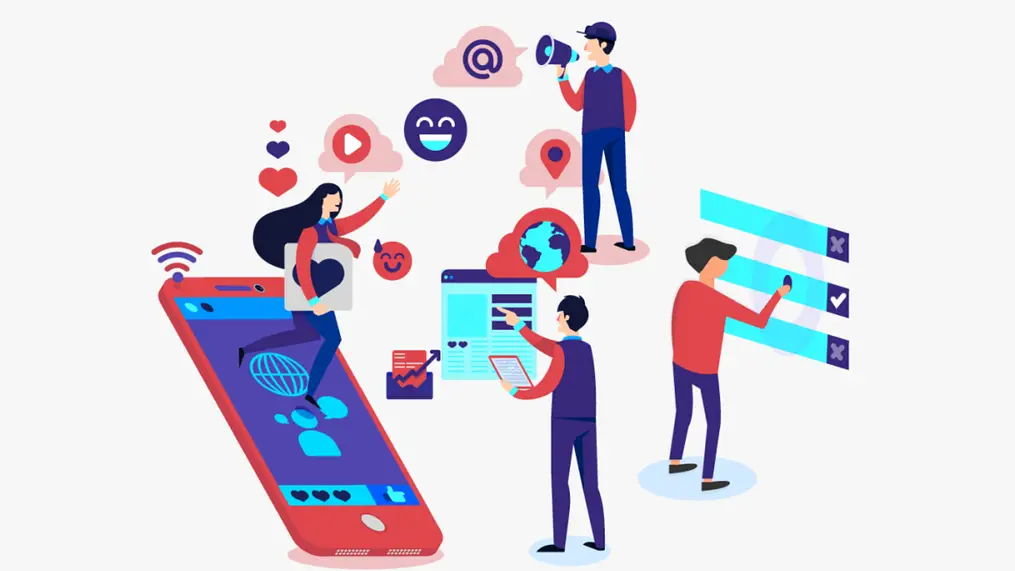
Digital marketing isn’t one activity. It’s a set of connected parts that work best when aligned.
Let’s break down in a practical way.
1. Website and Online Presence
Your website is the foundation of digital marketing. Everything else leads back to it.
It’s where people go to understand what you do, who you help, and what to do next. A strong website communicates clearly, builds trust quickly, and guides visitors toward action through simple navigation and clear calls to action. For many businesses, improving website clarity alone can make a noticeable difference.
2. Content Marketing: Educating Before Selling
Content is what brings people in and builds trust. This includes blog posts, emails, guides, videos, and even social media captions. The purpose of content isn’t immediate sales, it’s education. By answering questions, addressing concerns, and explaining problems clearly, content positions you as a trusted expert and reduces resistance when sales conversations happen later.
3. Search Engine Optimization (SEO)
SEO helps your business get found when people search online. Rather than paying for visibility, SEO focuses on aligning your content with what people are already searching for. When your content matches real questions and intent, search engines reward that relevance with steady, long-term traffic.
4. Email Marketing: Direct and Reliable Communication
Email marketing then turns attention into relationships. Unlike social media, email allows direct communication without relying on algorithms. It’s where leads are nurtured, educated, followed up with, and supported over time. When email systems are set up properly, communication stays consistent without constant manual effort.
5. Social Media Marketing: Visibility and Engagement
Social media plays a supporting role. It helps distribute content, build awareness, and create engagement, but it works best when connected to your website, content, and email—not when treated as the entire strategy.
6. Lead Generation and Conversion
Finally, lead generation and conversion tie everything together. Digital marketing isn’t just about being seen. It’s about making it easy for the right people to take the next step, whether that’s signing up, booking a call, or sending an inquiry. Clear messaging, trust, and obvious next steps are what turn interest into action.
Digital Marketing Works Best as a System
One of the biggest mindsets shifts for business owners is seeing digital marketing as a system instead of a list of tasks.
A simple system might look like this:
- Helpful content attracts visitors,
- SEO brings consistent traffic,
- Lead magnets capture contact details,
- Email nurtures relationships, and
- Sales conversations happen naturally.
Each part supports the others.
When marketing is system-based, it becomes more predictable, easier to manage, and easier to improve over time. You’re no longer guessing what to do next, you’re refining what already works.
Common Mistakes That Create Frustration
Many businesses struggle with digital marketing not because it doesn’t work, but because of how it’s approached.
Common issues include trying to be on every platform, copying competitors without a clear strategy, posting without goals, ignoring data, or expecting instant results. Digital marketing isn’t a shortcut. It’s a long-term investment that compounds with consistency.
How to Get Started Without Feeling Overwhelmed
You don’t need to do everything at once.
A practical starting point is to clarify your message, improve the basics of your website, choose one primary channel, and create consistent content. From there, build simple systems, automate what you can, and track progress using meaningful metrics.
Focus creates momentum. Intensity alone does not.
Measuring What Actually Matters
Digital marketing is measurable, but only if you track the right things.
Instead of focusing on likes or follower counts, pay attention to traffic quality, lead conversions, email engagement, inquiries, and customer retention. These indicators show whether marketing is supporting real business growth, not just visibility.
Support, Delegation, and Long-Term Value
As digital marketing becomes more system-driven, many business owners choose to delegate execution. Support teams can handle publishing, email management, tracking, and campaign coordination, allowing owners to focus on strategy and growth.
Over time, digital marketing builds assets: content that continues attracting traffic, email lists that grow, brand trust that compounds, and systems that reduce manual effort. This is what makes digital marketing more than a tactic, it becomes part of the business foundation.
Digital marketing doesn’t need to be complicated or intimidating.
At its best, it’s a clear, intentional way to communicate value, build trust, and support growth.
The goal isn’t to master every platform. It’s to build marketing systems that work consistently and align with your goals, audience, and capacity. When digital marketing is approached this way, it becomes a reliable tool, not a source of stress.