For small businesses, growth depends on one critical factor: a consistent flow of qualified leads.
No leads means no conversations.
No conversations means no clients.
No clients means no revenue.
Lead generation isn’t about chasing random inquiries or hoping someone reaches out. It’s about building structured, repeatable systems that consistently attract the right people, nurture their interest, and guide them toward working with you.
The good news is this: small businesses do not need massive budgets to generate leads effectively. What they need is clarity, strategy, and disciplined execution.
Start With Clarity Before You Try to Generate Leads
Before you invest time or money into marketing, get specific about who you actually want to attract.
When targeting is vague, lead generation becomes inefficient. You may get inquiries, but they won’t be the right fit.

Define your ideal client clearly:
- What industry or niche are they in?
- What size is their business?
- What revenue range do they fall into?
- What problems are they actively trying to solve?
- Do they have decision-making authority?
“Small business owners” is broad.
“Service-based business owners generating $100K–$500K annually who need consistent online leads” is focused.
The more specific you are, the more qualified your leads become. Clarity improves both volume and quality.
Turn Your Website into a Lead Hub
Your website should be the central engine of your lead generation efforts.
It needs to clearly communicate what you do, who you help, and why it matters. It should address common objections, build trust, and guide visitors toward a clear next step.
A strong website includes:
- A clear, benefit-driven headline
- Straightforward service descriptions
- Testimonials or case studies
- Trust indicators (reviews, certifications, partnerships)
- Visible and simple calls to action
Every page should answer one silent question: What should I do next?
Without direction, traffic doesn’t convert.
Attract High-Intent Prospects Through Search and Content
One of the most sustainable ways to generate leads is by showing up when people are actively searching for solutions.
When someone types:
- “Local accountant for freelancers”
- “SEO consultant for small businesses”
- “Affordable web design services”
They’re already thinking about hiring someone.
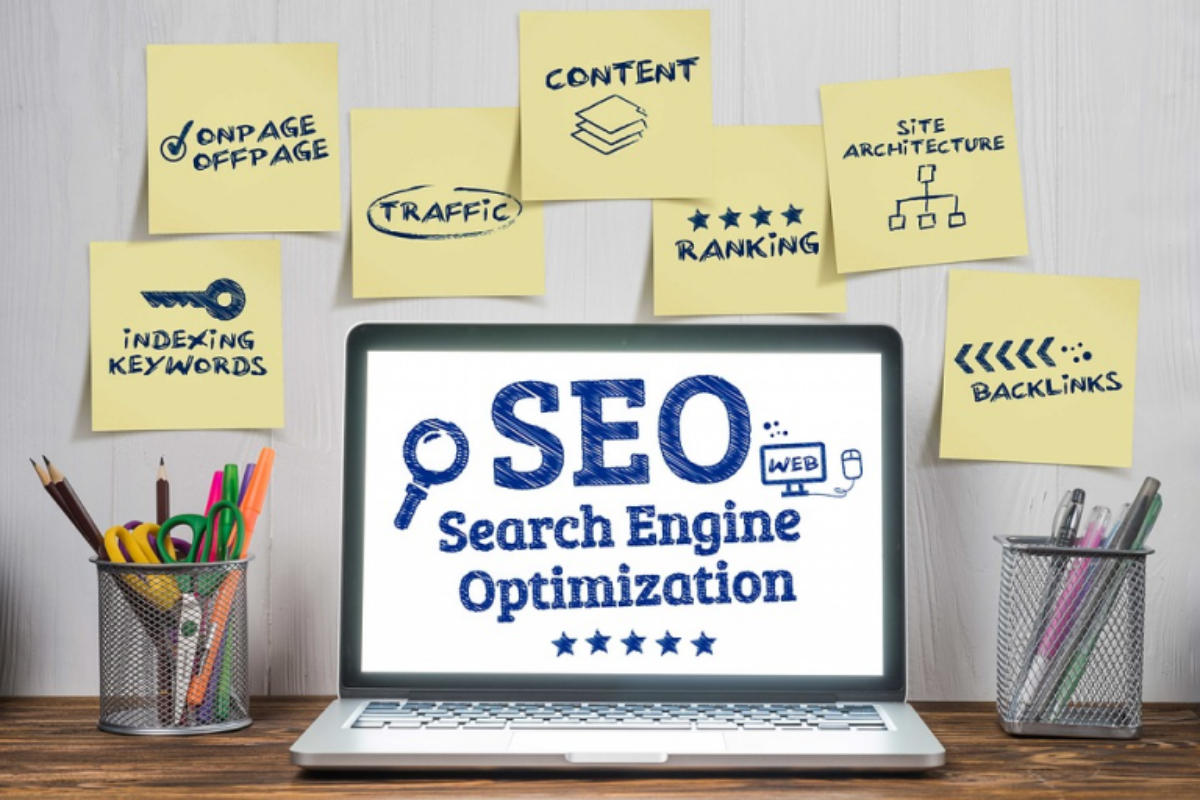
Search engine optimization (SEO) positions your business in front of those high-intent prospects. Optimized service pages, educational blog content, technical improvements, and local SEO (if relevant) all contribute to consistent inbound leads over time.
Content marketing supports this effort. Publishing helpful, focused content that solves real problems builds authority and improves visibility.
For example:
- “Common Accounting Mistakes Small Businesses Make”
- “How to Improve Website Conversion Rates for Service Businesses”
- “How to Prepare for a Marketing Strategy Session”
When you consistently answer questions your ideal clients are already asking, you position yourself as the obvious next step.
Authority drives inquiries.
Capture Interest Early with Lead Magnets and Email
Not every visitor is ready to hire you immediately. That’s where lead magnets and email marketing become powerful.
A lead magnet is simply a valuable resource offered in exchange for contact information. It could be:
- A checklist
- A short guide
- A template
- A free audit
- A webinar
- A mini-course
The key is relevance. The resource should solve a small but meaningful problem that aligns directly with your services.
Once someone joins your email list, nurturing begins.
Email allows you to stay visible, educate prospects, share insights, demonstrate expertise, and introduce your services strategically. Instead of sporadic promotions, create a structured sequence:
- Welcome message
- Educational follow-ups
- Authority-building content
- Clear introduction of your services
Lead generation doesn’t stop at capturing contact information. It continues through consistent relationship-building.
Use Social Media and Paid Ads Strategically
Social media can support lead generation, but only when it’s intentional.
Instead of focusing only on likes and engagement, use your platforms to guide followers toward action. Optimize your bio, highlight offers, link to landing pages, and create content that leads naturally to booking a call or downloading a resource.
Social media should support your funnel, not operate independently.
Paid advertising can accelerate results when structured correctly. Whether through Google Ads, Facebook Ads, or LinkedIn Ads, success depends on precise targeting, strong messaging, and dedicated landing pages designed for one clear objective.
Never send paid traffic to a generic homepage. Direct it to a focused page with a clear offer and a simple next step.
Paid ads work best when your targeting, offer, and follow-up system are aligned.
Strengthen Referrals, Partnerships, and Live Authority
Referrals are still powerful, but they should be structured, not left to chance.
Deliver strong results. Ask satisfied clients for referrals. Build partnerships with complementary businesses. A web designer partnering with a branding strategist or an accountant collaborating with a consultant expands reach without increasing ad spend.
Educational workshops and webinars can also accelerate trust. Hosting sessions on topics your audience cares about allows you to demonstrate expertise in real time. At the end of the event, offer a clear next step.
Live interaction builds confidence faster than static content.
Focus on Conversion and Lead Quality
Lead generation isn’t only about attracting more traffic. It’s about converting the traffic you already have.
Review your calls to action, contact forms, layout, page speed, and mobile responsiveness. Small adjustments, like reducing form fields or placing testimonials near a CTA can significantly increase submissions.
At the same time, prioritize lead quality over quantity.
A high volume of unqualified inquiries drains time and energy. Clear messaging, defined pricing expectations, and specific positioning filter out poor-fit prospects.
Qualified leads convert faster and require less persuasion.
Measure, Refine, and Build for the Long Term
Lead generation must be tracked.
Monitor:
- Website traffic
- Conversion rates
- Cost per lead (if running ads)
- Email open and click rates
- Consultation bookings
- Sales conversion rates
If traffic is strong but conversions are low, improve messaging.
If leads are high but sales are low, refine qualification.
If cost per lead is too high, adjust targeting.
Data turns guesswork into strategy.
And remember, sustainable growth comes from consistency. Short bursts of activity may generate temporary spikes, but steady execution builds long-term visibility.
SEO, content marketing, partnerships, and structured nurturing all contribute to durable lead flow.
Bringing It All Together
Lead generation for small businesses isn’t about using every tactic available. It’s about choosing the right strategies, aligning them with your ideal client, and executing consistently.
When you combine:
- Clear positioning
- A focused target audience
- A strong website
- Strategic content and SEO
- Lead magnets and email nurturing
- Intentional social and paid efforts
- Ongoing optimization
You create predictability.
Growth becomes less reactive and more controlled. Instead of waiting for referrals or hoping for inquiries, you build a system that generates opportunity consistently.
And that level of control is what allows small businesses to scale with confidence.