Scaling a small business isn’t about working longer hours or trying to show up on every platform. It’s about building a digital marketing foundation that consistently attracts the right people, builds trust, and turns attention into revenue.
Many small business owners are already putting in the effort. They post on social media, test ads, publish content, or send emails. But the results feel inconsistent. Growth comes in waves instead of building steadily.
Usually, the issue isn’t the lack of effort. It’s either using the wrong services at the wrong time or using the right services without a clear system connecting them.
What Scaling Really Means
For small businesses, scaling typically means:
- Generating consistent, qualified leads
- Increasing revenue without increasing workload at the same rate
- Building predictable systems instead of relying on one-off efforts
- Strengthening brand credibility
- Reducing dependence on the owner for every task
Digital marketing supports all of this, but only when it’s strategic. Visibility alone isn’t enough. If marketing isn’t guiding people toward trust and action, it becomes noise.
Scaling businesses treat digital marketing as a connected system, not a random checklist.
The Core Services That Actually Support Growth
Not every digital service is necessary at once. But there are core foundations that consistently support sustainable scaling.
1. Content and SEO: Building Visibility That Compounds
Strategic content writing and blogging sit at the center of long-term growth. Strong content educates your audience, answers real questions, builds authority, and positions you as a solution before a sales conversation even begins.
When paired with SEO, content becomes discoverable. Instead of chasing attention, you show up when people are actively searching for what you offer.
Together, content and SEO:
- Drive consistent organic traffic
- Attract higher-intent leads
- Lower long-term acquisition costs
- Build authority in your niche
This is how visibility compounds over time instead of disappearing after a few days.
2. Email Marketing and Lead Systems: Turning Attention into Revenue
Traffic alone doesn’t scale a business. You need a way to capture and nurture that attention.
Email marketing remains one of the most powerful scaling tools because it gives you direct access to your audience. Unlike social media, you’re not dependent on algorithms.
A strong email system:
- Welcomes new subscribers
- Educates and builds trust
- Nurtures lead over time
- Promotes offers strategically
- Segments based on behavior or interest
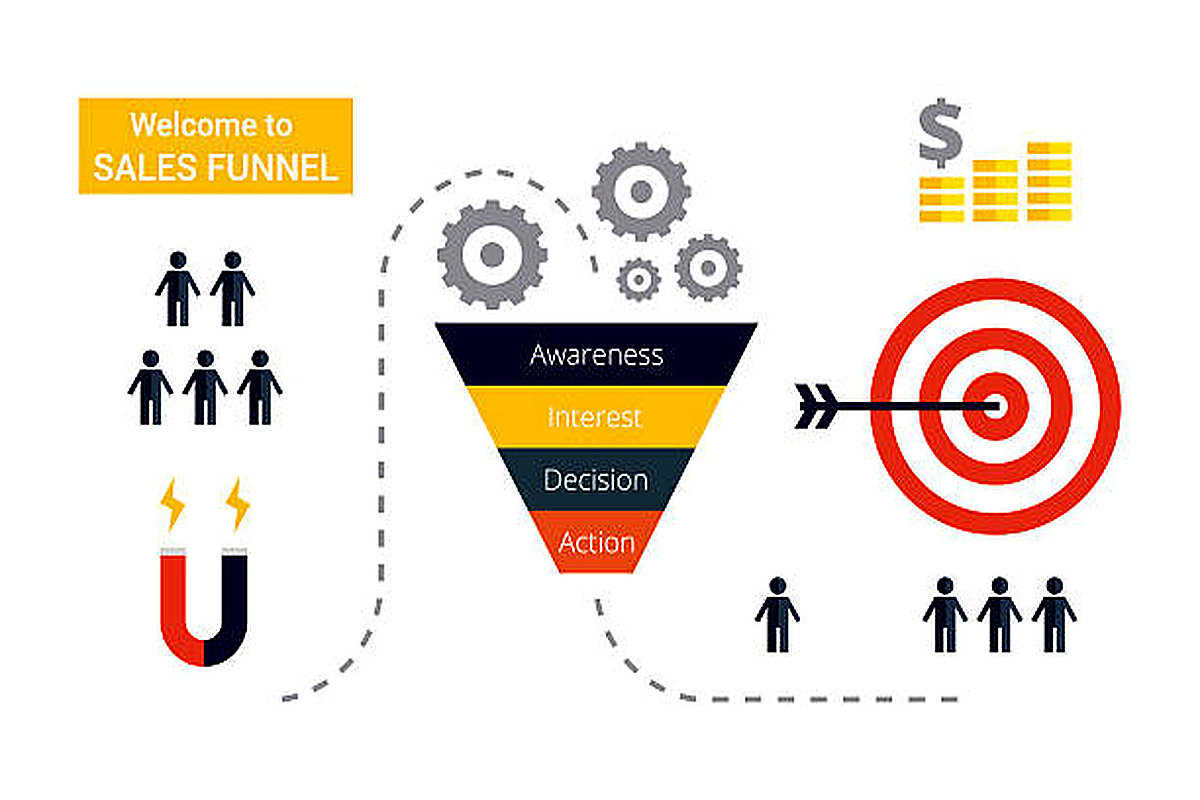
When paired with a simple funnel, such as a lead magnet connected to an automated email sequence you create a predictable path from interest to action.
Funnels don’t need to be complicated. They just need to be intentional. Even a streamlined system can reduce manual sales effort and improve conversion rates significantly.
3. Social Media, Automation, and Analytics: Supporting the System
Social media often gets the most attention, but it works best as a support channel.
Used strategically, social media:
- Reinforces your positioning
- Distributes your content
- Builds familiarity and trust
- Drives traffic into your lead systems
Posting frequently without direction rarely leads to scale. Posting with a clear role in your ecosystem does.
Automation is what protects your growth as you scale. Automated email sequences, CRM integrations, scheduling tools, and lead tracking systems reduce repetitive work and ensure consistency. Automation doesn’t remove the human element, it ensures nothing falls through the cracks.
And then there’s analytics. Scaling without data is guesswork. Tracking metrics like lead conversion rates, email engagement, traffic sources, and content performance allows you to optimize instead of assuming. Data turns marketing from experimentation into informed decision-making.
How It All Works Together
Scaling happens when these services are integrated.
For example:
- SEO-driven content brings in traffic.
- Content encourages email sign-ups.
- Email nurtures and educates.
- Funnels guide prospects toward purchase.
- Automation maintains consistency.
- Analytics refine the process.
This ecosystem allows growth to continue even when you’re not manually pushing every step.
When services operate in isolation, results feel scattered. When they work together, momentum builds.
Common Mistakes That Slow Scaling
Small businesses often struggle not because they’re doing too little, but because they’re doing too much without structure.
Common issues include:
- Chasing trends instead of focusing on strategy
- Trying to implement everything at once
- Measuring activity instead of revenue impact
- Avoiding systems and relying on manual effort
Scale requires structure. Without it, marketing becomes exhausting.
Choosing the Right Support at the Right Time
There’s also the question of execution. Many business owners start with DIY marketing. That can work early on, especially when budgets are limited.
But at some point, DIY becomes a bottleneck. Time spent managing marketing is time not spent leading, selling, or improving services.
Done-for-you digital marketing support shifts the focus from isolated tasks to structured systems. It provides strategic oversight, consistent implementation, and scalable processes. For many small businesses, this transition marks the move from survival mode to growth mode.
Scaling Is About Structure, Not Hustle
Small businesses don’t scale by doing more. They scale by doing the right things consistently.
The digital marketing services that truly support scaling are those that:
- Build long-term visibility
- Nurture trust and relationships
- Create predictable lead systems
- Reduce reliance on manual effort
- Provide data for smarter decisions
When content, SEO, email marketing, funnels, automation, and analytics are aligned, marketing becomes a growth engine rather than a guessing game.
Scaling doesn’t require perfection. It requires clarity, consistency, and a connected system that supports your business instead of overwhelming it.