Digital marketing is something most businesses are already doing in one way or another. Having a website, maybe a few social platforms, occasional emails, and sometimes paid ads mixed in the normal day-to-day operations. On the surface, it looks like progress.
But underneath all that activity, many business owners feel uncertain.
They’re posting. They’re publishing. They’re showing up.
Yet they still wonder, “Is any of this actually helping my business grow?”
That uncertainty doesn’t mean digital marketing isn’t working. More often, it means the effort hasn’t been structured in a way that makes results clear. Without intention and measurement, marketing can feel like a lot of motion without momentum.
When digital marketing is done thoughtfully, it becomes one of the most reliable growth tools a business can have. ROI stops being confusing and starts becoming visible.
Understanding ROI Beyond Sales Numbers
It’s easy to think of ROI as a straight line: money spent in, money earned out. But digital marketing rarely works that way, especially for service-based businesses.
Most people don’t go from discovering your brand to becoming a client in one step. They take time to observe, learn, and decide. That means ROI often appears gradually rather than instantly.
In digital marketing, ROI often shows up as:
- Qualified leads entering your pipeline
- Website traffic from people who actually fit your ideal client profile
- Email subscribers who later turn into clients
- Engagement that builds credibility and familiarity
- Repeat clients who stay connected to your brand
When you understand ROI as something that builds over time, expectations become more realistic. Marketing stops feeling disappointing and starts feeling purposeful.
Why Clear Goals Make ROI Easier to Measure
One of the biggest reasons ROI feels unclear is that many marketing efforts begin without a defined outcome.
Content gets posted because it feels necessary. Campaigns are launched because others are doing it. But without deciding what success looks like upfront, it’s hard to know whether something worked or not.
Before starting any marketing effort, it helps to clarify:
- What action should someone take?
- How will we know this effort is effective?
- What business goal does this support?
A blog post might exist to attract search traffic and collect email signups.
A social campaign might be designed to drive visitors to a landing page.
An email sequence might aim to book discovery calls.
When the purpose is clear from the beginning, measuring ROI becomes much more straightforward later on.
Aligning Marketing with How People Actually Buy
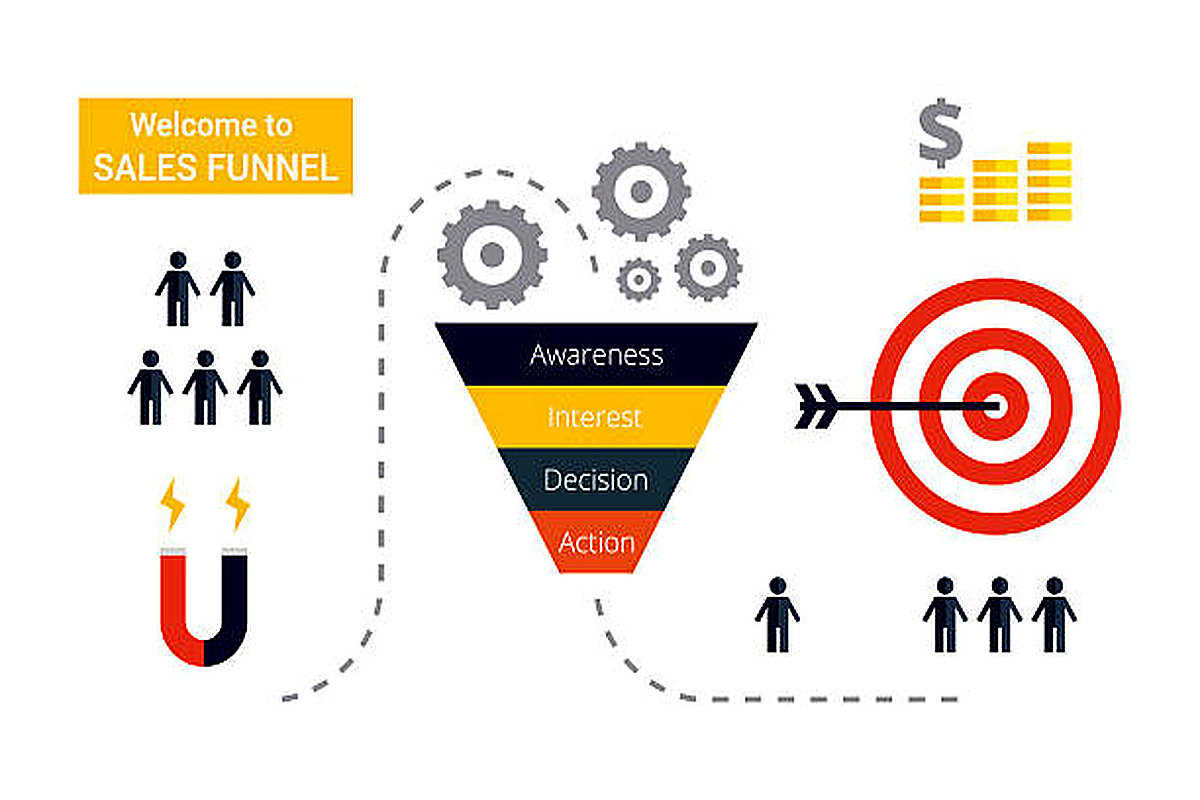
People don’t usually buy the first time they discover a business. They move through stages, even if they don’t realize it consciously.
First, they become aware of a problem.
Then, they start exploring solutions.
Finally, they decide who they trust enough to work with.
Marketing performs best when it supports each of these stages rather than skipping steps.
If everything focuses on selling, early-stage prospects feel pressured and disengaged. If everything is educational with no clear next step, ready-to-buy prospects stall.
- Educational content that builds awareness
- Messaging that helps people evaluate options
- Clear, low-friction calls-to-action
When your content meets people where they are, ROI improves naturally because the process feels supportive rather than forced.
Why Systems Produce Better ROI Than Isolated Campaigns
One-time campaigns can create short bursts of results, but they’re hard to maintain and even harder to evaluate long term. Systems, on the other hand, create consistency and clarity.
A marketing system connects each step:
- Content that attracts attention
- Lead capture that turns visitors into contacts
- Follow-up that builds trust
- Conversion paths that invite action
For example, someone may find your blog through search, download a resource, receive a helpful email sequence, and then book a call. Each step plays a role.
With systems in place, you can see where things are working and where they’re not. Instead of guessing, you adjust specific pieces. This is where ROI becomes measurable and improvable.
Measuring What Matters Without Getting Lost in Data
One reason businesses struggle with ROI is not a lack of data, but too much of it.
You don’t need advanced dashboards or complex tracking to improve performance. What matters most are signals that show interest and intent.
These include:
- Time spent on key pages
- Email opens, clicks, and replies
- Form submissions
- Consultation or call bookings
Clicks alone don’t tell the full story. Engagement shows interest. Action shows readiness. When you focus on meaningful indicators, data becomes useful instead of overwhelming.
How Clear Messaging Can Improve ROI Faster Than Bigger Budget
A common assumption is that low ROI means low visibility. In reality, unclear messaging is often the real issue.
If people can’t quickly understand who you help, what you do, and why it matters, they won’t take the next step—no matter how much traffic you have.
Strong messaging brings clarity across:
- Website pages
- Emails
- Social content
Clear messaging across your website, emails, and content builds trust and reduces hesitation. When everything aligns, conversion rates often improve without increasing ad spend or content volume.
Sometimes the fastest way to improve ROI isn’t more marketing—it’s clearer communication.
Email and Retention as Long-Term ROI Drivers
Email marketing continues to deliver strong ROI because it focuses on people who already expressed interest.
Through email, you can:
- Stay connected without constant promotion
- Educate your audience gradually
- Re-engage people who aren’t ready yet
- Maintain relationships with past clients
Retention is often overlooked, but it plays a huge role in ROI. Serving existing clients well and staying visible increases lifetime value and referrals.
Marketing doesn’t stop after a conversion. In many ways, that’s where ROI really begins.
Optimizing Before Scaling Protects ROI
Scaling marketing before refining it usually leads to higher costs without better results.
Before expanding efforts, it’s worth strengthening the foundation:
- Improve landing page clarity
- Refine calls-to-action
- Adjust messaging and targeting
Once things are working smoothly, scaling amplifies success instead of magnifying inefficiencies. This approach keeps ROI healthy and sustainable.
Consistency, Focus, and Patience Make ROI Predictable
Digital marketing rewards consistency more than intensity.
Some channels, like ads, offer faster feedback. Others, like content and SEO, take time to compound. Understanding this prevents frustration and unnecessary strategy changes.
Regular review helps identify trends and opportunities for improvement. Over time, patterns become clear and decision-making becomes easier.
Staying focused also matters. Trying every new platform often leads to scattered results. Choosing a few channels and doing them well creates stronger ROI and simpler measurement.
Turning Insight Into Action
Data alone doesn’t create ROI—action does.
Use insights to:
- Improve content quality
- Adjust messaging and targeting
- Strengthen conversion paths
Small, informed adjustments compound over time. Each improvement increases efficiency and strengthens returns.
Turning digital marketing into measurable ROI isn’t about complexity or doing more. It’s about clarity, structure, and intention.
When goals are defined, systems are connected, and performance is reviewed consistently, marketing becomes predictable. ROI stops feeling uncertain and starts becoming the natural outcome of deliberate strategy.
Digital marketing works best when it’s treated as a long-term investment—refined continuously and aligned with real business goals.
That’s how effort turns into impact.
And that’s how impact turns into growth.