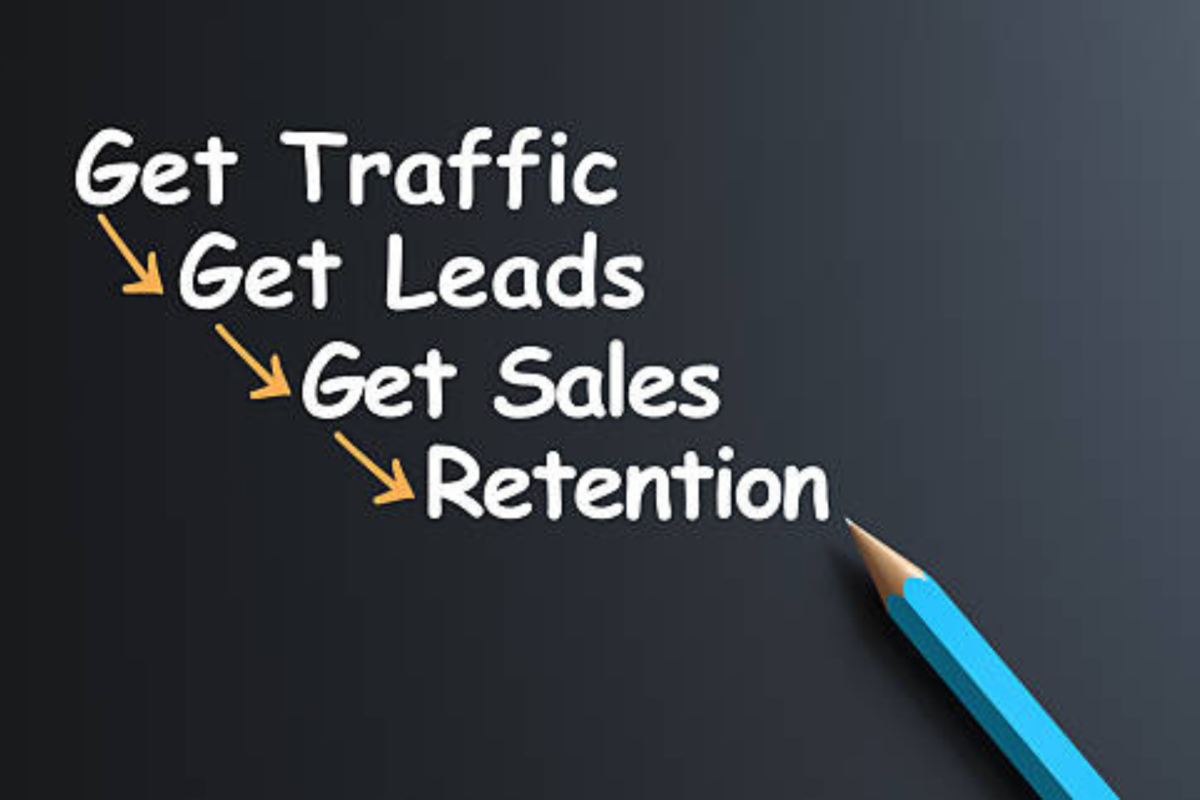
Increasing traffic to your website is a significant accomplishment. Attracting people via search engines, social media, paid advertising, or referrals requires patience, planning, and consistent effort. However, traffic by itself does not grow a business.
Revenue comes from qualified leads, not anonymous clicks.
Many businesses experience the same frustration: analytics show steady (or even increasing) traffic, yet inquiries feel inconsistent. The missing piece usually isn’t more traffic. It’s a conversion structure.
Turning website visitors into qualified leads isn’t about adding more tactics. It’s about refining the journey from visit to action, so the right people move forward naturally.
Let’s walk through what that really looks like.
Step 1: Understand the Difference Between Traffic and Qualified Leads
Not all website visitors are equal.
A qualified lead isn’t just someone who reads a blog post. It’s someone who:
- Matches your ideal client profile
- Shows genuine interest in your services
- Takes action (downloads, books, inquires)
- Demonstrates readiness to engage
Before optimizing conversions, look at who is actually visiting your site. Are they aligned with your target audience? What pages are they spending time on? Where are they leaving?
Data tells a story. That story reveals where refinement is needed.
Once you understand your audience, your messaging has to match their intent.
Some visitors are researching.
Some are comparing providers.
Some are ready to decide.
If your website treats all of them the same, you’ll lose momentum.
Educational blog content supports early-stage visitors.
Case studies and proof support mid-stage visitors.
Clear pricing guidance and strong calls to action support decision-ready prospects.
Relevance reduces friction. When visitors feel understood, they stay longer and engage more.
Clarity is just as important.
When someone lands on your website, they should immediately understand:
- Who you serve
- What you do
- What outcome you provide
- Why it matters
Vague statements dilute conversions. Specific outcomes attract qualified prospects and filter out poor-fit inquiries.
Step 2: Guide Visitors Instead of Hoping They Convert
Your website should direct visitors—not overwhelm them.
Think of your homepage as a gateway. It doesn’t need to explain everything. It needs to point people in the right direction.
A strong homepage includes:
- A clear, outcome-focused headline
- A concise supporting explanation
- One primary call to action
- Light credibility indicators (testimonials, logos, results)
From there, each page should have a purpose.
And every page should answer one simple question:
What should this visitor do next?
Weak calls to action like “Learn More” or “Contact Us” rarely create strong momentum. Clear, benefit-driven invitations perform better:
- “Book Your Free Strategy Session”
- “Download the Lead Generation Checklist”
- “Request a Custom Proposal”
Blog posts can include relevant content upgrades.
Service pages can invite consultations.
Case studies can encourage next-step conversations.
The goal isn’t pressure. It’s a direction.
Step 3: Use Strategic Lead Magnets and Landing Pages
A lead magnet transforms passive visitors into identifiable prospects.
But not all lead magnets attract qualified leads.
The strongest ones are:
- Specific
- Directly aligned with your service
- Practical and actionable
For example, if you offer SEO services, a guide like “7 On-Page SEO Fixes That Increase Local Visibility” will attract a more qualified audience than a generic marketing checklist.
Specificity improves lead quality.
Your landing pages matter just as much.
Each landing page should focus on one objective. Remove distractions. Keep forms simple. Highlight benefits clearly. Add proof near your calls to action.
Small improvements, shorter forms, clearer headlines, and stronger testimonials can significantly increase conversion rates.
Optimization isn’t dramatic. It’s incremental and consistent.
Step 4: Build Trust and Nurture Intentionally
Trust drives conversion.
Visitors evaluate credibility within seconds. Strategic trust signals help:
- Testimonials
- Case studies
- Reviews
- Certifications
- Client logos
- Measurable results
Place them near calls to action and throughout service pages, not hidden on a separate page no one visits.
Once someone becomes a lead, the relationship is just beginning.
Most people don’t convert immediately. They need context, reassurance, and clarity.
An automated nurture sequence helps you:
- Deliver the promised resource
- Provide additional education
- Share results and success stories
- Address common objections
- Introduce your services naturally
Consistency builds familiarity. Familiarity builds confidence.
Segmentation strengthens this even further. Someone downloading a beginner’s guide likely needs different communication than someone requesting a consultation. Tailoring follow-up improves relevance and increases conversions.
Step 5: Reduce Friction and Align Everything With Conversion
Sometimes conversions stall because of small friction points.
Long intake forms.
Complicated booking systems.
Slow response times.
Unclear next steps.
These details matter.
Make it easy to schedule a call. Keep instructions simple. Respond promptly. Structure your consultation process clearly.
Streamlining these steps often increases conversions without increasing traffic.
Your content should also align with clear goals.
Blog posts should:
- Address specific problems
- Target relevant search intent
- Include contextual calls to action
Service pages should:
- Focus on outcomes
- Explain your process
- Reinforce credibility
- Offer a direct next step
Case studies should demonstrate measurable results, not just describe projects.
Attention without direction doesn’t generate revenue.
Step 6: Track, Refine, and Prioritize Quality
Data removes guesswork.
Track:
- Conversion rates
- Bounce rates
- Traffic sources
- Cost per lead
- Email engagement
- Consultation booking rates
If blog traffic is high but opt-ins are low, strengthen CTAs.
If opt-ins are strong but bookings are weak, improve nurturing.
If consultations are frequent but close rates are low, evaluate qualification.
Not all leads are equal, and more leads don’t automatically mean more revenue.
Clarify who your service is for.
Communicate investment ranges when appropriate.
Include qualifying questions in forms.
Filtering early improves close rates and protects your time.
Finally, don’t rely on one traffic source. A combination of SEO, paid advertising, social media, referrals, email marketing, and partnerships creates resilience. Different channels attract prospects at different stages. Integration strengthens your pipeline.
Bringing It All Together
Turning website traffic into qualified leads is not just about having the right tools, it’s about using the right approach tailored to your audience and business goals.
It comes down to:
- Clear positioning
- Messaging aligned with visitor intent
- Strong calls to action
- Relevant lead magnets
- Focused landing pages
- Strategic trust signals
- Automated nurturing
- Reduced friction
- Continuous optimization
Traffic is an opportunity.
Conversion is structure.
When your website functions as a guided journey instead of a static brochure, performance changes.
Instead of hoping visitors reach out, you lead them forward.
Instead of inconsistent inquiries, you build a predictable pipeline.
And when your traffic consistently converts into qualified prospects, growth becomes measurable, manageable, and far more sustainable.