Every business owner shares a few common traits, and that is ambition, curiosity, and a relentless drive for growth. However, the path to success is paved with a predictable set of challenges.
Growth without structure creates pressure. Growth with systems creates scale.
Many businesses gain early traction through referrals, word-of-mouth, or occasional marketing pushes. At first, that momentum feels promising. But over time, the cracks start to show. Revenue fluctuates. Leads slow down unexpectedly. Marketing becomes reactive instead of intentional.
The difference between inconsistent growth and scalable growth isn’t effort. It’s a system.
If your goal is scalable lead generation, not just temporary spikes. Building digital marketing systems is essential.
Let’s break down what that actually means and how it supports long-term expansion.
What a Digital Marketing System Really Is?
A digital marketing system isn’t a single tactic. It’s not just SEO, paid ads, or social media.
It’s an integrated, repeatable framework where every component works together toward one outcome: attracting, nurturing, and converting qualified leads consistently.
That typically includes:
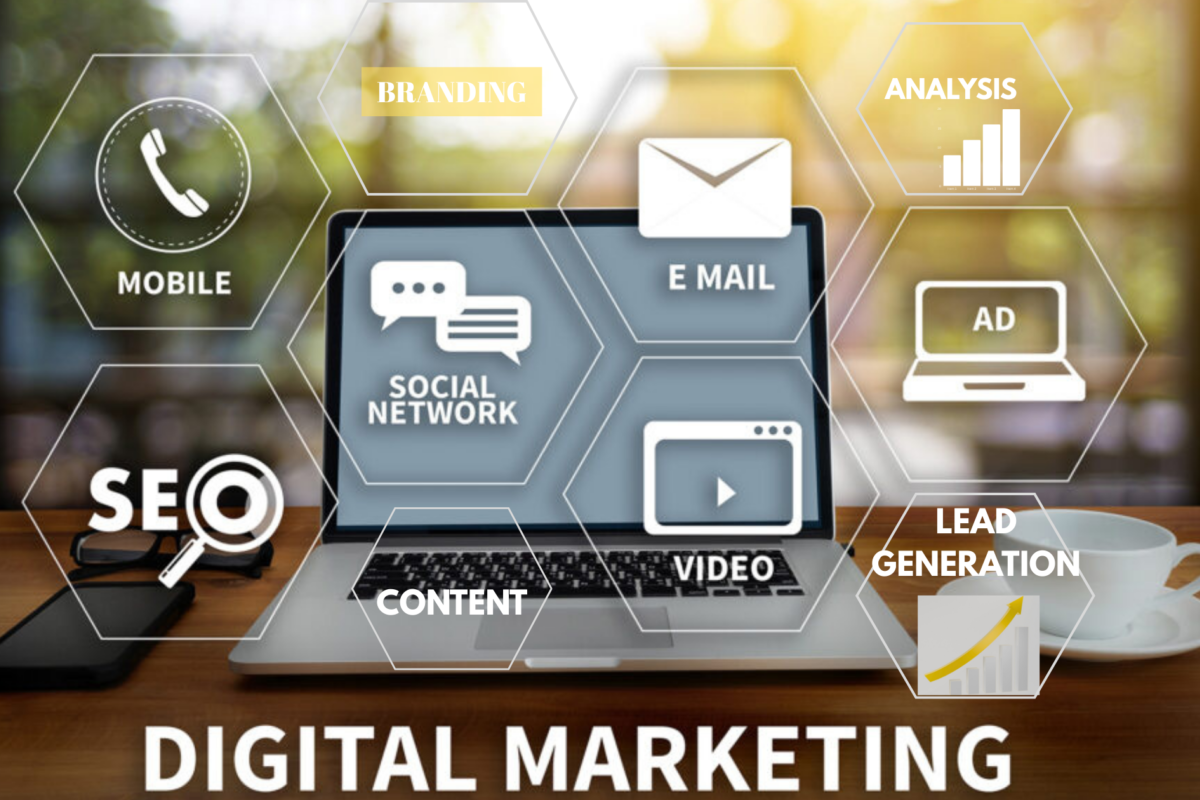
- Traffic channels (SEO, paid ads, social media, partnerships)
- Lead capture mechanisms (landing pages, opt-ins, booking forms)
- Automated email sequences
- CRM tracking
- Analytics and reporting
- Ongoing conversion optimization
The key word is structure.
Instead of posting randomly or launching ads occasionally, you build processes that run consistently. And because they’re structured, they can expand without requiring the same level of manual effort each time.
Scalability depends on repeatability. Systems create repeatability.
Why Scale Requires Structure
Scalable lead generation means increasing qualified leads without increasing effort at the same rate.
Without systems:
- More leads require more manual follow-up.
- More campaigns require more oversight.
- More traffic creates more administrative work.
With systems:
- Automation handles nurturing.
- CRMs organize pipelines.
- Data shows what’s working.
- Optimization improves efficiency over time.
Instead of trading time for growth, you build leverage into your marketing.
That’s the shift from labor-driven marketing to system-driven marketing.
The Foundation: Clear Positioning Before Automation
Before building any system, clarity must come first.
Systems amplify what already exists. If your positioning is unclear, scaling will only magnify confusion.
Start with fundamentals:
- Who exactly do you serve?
- What problem do you solve?
- What outcome do you deliver?
- How are you different?
When those elements are clear, systems work effectively. When they aren’t, automation simply accelerates inefficiency.
Scale strengthens strengths and exposes weaknesses.
Creating Predictable Traffic
The first layer of scalable lead generation is predictable visibility.
That often includes a combination of:
1. Search Engine Optimization (SEO)
SEO builds long-term, compounding traffic. Structured keyword research, optimized content, and consistent publishing attract prospects who are actively searching for solutions. Once content ranks, it continues generating traffic without additional ad spend.
2. Paid Advertising
Paid ads offer faster results. When campaigns are structured with proper targeting, landing pages, testing, and tracking, scaling becomes straightforward. Profitable campaigns can be expanded strategically.
3. Structured Social Media Content
Random posting rarely drives scale. A systemized approach includes defined content pillars, consistent scheduling, authority-building posts, and strategic calls to action. Repurposing content across platforms increases reach without multiplying effort.
Diversified traffic strengthens stability. Relying on one channel creates risk. Systems reduce that vulnerability.
Turning Traffic into Leads Consistently
Traffic alone doesn’t generate revenue. Conversion does.
A strong lead capture system ensures visitors don’t leave anonymously.
That often includes:
- Targeted lead magnets aligned with your services
- Optimized landing pages with clear messaging
- Simple forms connected to email automation
- Ongoing conversion tracking
Specific lead magnets attract qualified prospects. Generic resources attract broad audiences.
The more aligned your lead capture is with your core offer, the higher the lead quality.
And once a visitor becomes a lead, automation takes over.
Automation: Where Scalability Accelerates
Automation is what prevents growth from becoming overwhelming.
Email sequences can:
- Deliver resources instantly
- Educate over time
- Share case studies
- Address objections
- Introduce services naturally
- Invite consultations strategically
Every lead receives consistent communication without increasing manual workload.
As lead volume increases, your time investment doesn’t increase proportionally. That’s scalable efficiency.
CRM, Data, and Optimization
As lead flow grows, organization becomes critical.
CRM systems help you:
- Track lead status
- Segment contacts
- Monitor follow-ups
- Identify pipeline bottlenecks
- Forecast revenue
Without visibility, opportunities fall through gaps. With structure, sales pipelines become measurable and manageable.
Data removes guesswork entirely.
Tracking metrics such as:
- Traffic sources
- Landing page conversion rates
- Cost per lead
- Email engagement
- Consultation bookings
- Close rates
allows you to refine strategically.
For example:
- If traffic is strong but conversions are low, optimize landing pages.
- If opt-ins are high but bookings are low, refine nurturing.
- If consultations are frequent but close rates are weak, improve qualification.
Small conversion improvements compound. A modest increase in landing page performance can significantly reduce acquisition costs over time.
Optimization isn’t a one-time task. It’s continuous refinement.
Protecting Quality as You Scale
Scalability isn’t just about volume. It’s about maintaining quality.
Without qualification systems, growth creates chaos.
Clear service descriptions, transparent pricing ranges (when appropriate), structured intake forms, and defined discovery processes filter out poor-fit prospects early.
High-quality leads:
- Close faster
- Require less persuasion
- Reduce administrative strain
Filtering early protects your time and increases profitability.
Alignment between marketing and sales also matters. Both sides must share a clear definition of what qualifies as a strong lead. Structured handoffs and feedback loops improve performance as volume grows.
The Compounding Effect of Systems
The real advantage of digital marketing systems is compounding.
- SEO content builds authority over time.
- Email lists grow steadily.
- Automation nurtures continuously.
- Data refines performance.
- Conversion optimization improves efficiency.
Each layer strengthens the next.
Instead of rebuilding from scratch every month, your system builds momentum.
That momentum reduces volatility. It creates predictability. And predictability allows confident decision-making in hiring, investing, and expanding.
Common Barriers to Scalability
Businesses often struggle to scale because they:
- Rely too heavily on referrals
- Avoid automation
- Ignore data
- Focus on isolated tactics instead of structure
- Increase traffic before optimizing conversions
Scale works best in sequence:
- Clarify positioning.
- Build foundational systems.
- Optimize conversions.
- Increase traffic strategically.
- Refine continuously.
Skipping the foundation weakens long-term growth.
Conclusion
Digital marketing systems don’t remove creativity. They support it.
They create stability so you can:
- Invest strategically
- Hire confidently
- Forecast revenue accurately
- Focus on high-level growth decisions
Instead of chasing leads, you build a predictable pipeline.
Instead of reacting to revenue dips, you rely on structured processes.
Scalable lead generation isn’t built on occasional campaigns. It’s built on integrated systems that attract consistently, convert strategically, nurture automatically, and improve continuously.
When your marketing operates as a structured ecosystem rather than disconnected tactics, growth becomes manageable.
And manageable growth is what makes true scale possible.