Lead generation is what keeps a business moving forward. Without a steady flow of qualified leads, even the best offers struggle to gain traction.
However, many small business owners lean heavily on one channel, social media, paid ads, referrals, or even SEO, hoping it will carry the full weight of growth. Sometimes it works for a while. But when that channel slows down, everything slows down with it.
Yet in reality, sustainable lead generation rarely comes from just one place. Today’s buyers don’t discover, trust, and decide in a single interaction. Their journey unfolds across platforms, formats, and time.
If your marketing only shows up in one space, you’re missing part of that journey.
How People Actually Decide to Buy
Most buyers don’t convert the first time they encounter a business. Instead, they move through multiple touchpoints.
Someone might:
- Discover your blog through search
- Follow you on social media
- Download a free resource
- Receive helpful emails over time
- Reach out when they’re finally ready
Each interaction builds familiarity. Each platform reinforces credibility. No single channel does all the work.
That’s why relying on only one marketing channel creates gaps. It assumes people will move from awareness to action in one step. In reality, trust builds gradually.
The Risk of Putting Everything in One Place
When all your lead generation depends on one channel, you create unnecessary vulnerability.
Platforms change. Algorithms shift. Ad costs increase. Referral sources dry up. Even SEO rankings fluctuate. What works well today may look very different six months from now.
There’s also the human factor. People consume content differently. Some prefer reading in-depth blog posts. Others engage most through email. Some trust organic search results more than ads. Others discover brands through social media first.
If you only show up in one channel, you’re only reaching one segment of your potential audience.
And when that one channel slows down, your entire pipeline stalls.
Lead Generation Is a System, not a Single Tactic
One of the biggest misconceptions is treating lead generation like a tactic instead of a system.
A healthy lead generation system:
- Attracts attention
- Builds trust
- Nurtures interest
- Encourages action
- Supports ongoing relationships
Different channels support different parts of that process.
Content and SEO often bring visibility. Social media reinforces presence. Email builds deeper relationships. Funnels guide decision-making. Paid ads can accelerate what’s already working.
No one piece replaces the others. They work best when connected.
How the Core Channels Support Each Other
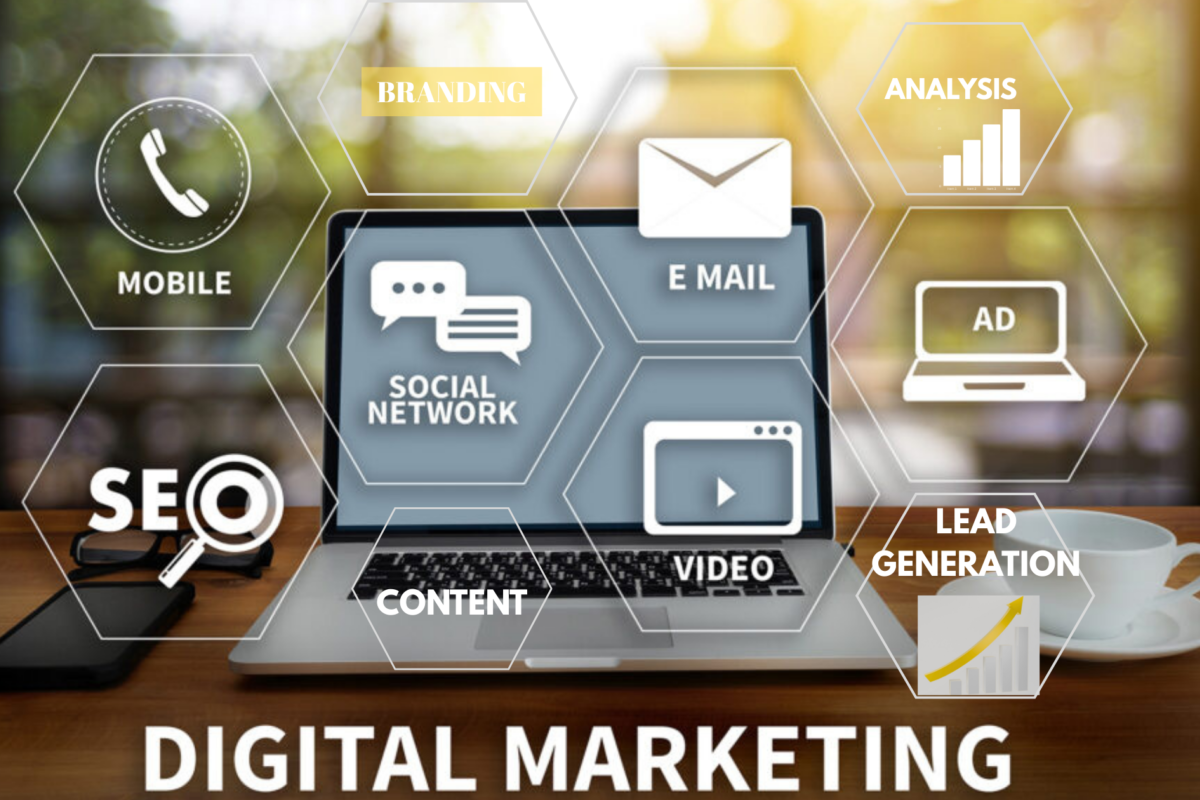
Let’s break down how major digital marketing channels contribute and why none of them should stand alone.
1. Content and SEO bring in people who are actively searching for answers. These leads are often high-intent because they’re already looking for a solution. But traffic alone isn’t enough. Without a way to capture and nurture it, many visitors leave and never return.
That’s where lead magnets and email marketing come in. A simple guide, checklist, or webinar gives visitors a reason to stay connected. Once inside your email system, you can deliver consistent value, answer objections, and guide them toward a decision over time.
2. Social media reinforces all of this. It increases visibility, distributes your content, and keeps your brand familiar. While social platforms often generate awareness, deeper conversions typically happen after prospects move into more controlled spaces like your email list or direct contact.
3. Paid advertising can accelerate the process, but it works best when supporting an existing system. Driving ads to strong content or proven funnels is very different from sending traffic to something untested. Ads amplify what already works, they don’t replace strategy.
When these channels are aligned, they create momentum. When they operate independently, growth feels inconsistent.
Why Multiple Channels Build Stronger Trust
Trust is rarely built from a single interaction. It grows through repetition and consistency.
When someone:
- Finds your business through search
- Sees your content shared on social media
- Receives helpful emails
- Recognizes your brand across platforms
Your business feels more established. More credible. More stable.
Multi-channel presence shortens the trust-building timeline because people encounter your message in different contexts. That familiarity reduces hesitation.
Common Mistakes with Multi-Channel Lead Generation
It’s important to clarify something: multi-channel doesn’t mean everywhere.
A common mistake is trying to use every platform at once. That usually leads to burnout and inconsistent execution. Another mistake is using channels independently, posting content without lead capture, or sending emails without fresh traffic coming in.
And then there’s impatience. Multi-channel systems compound over time. Early consistency matters more than immediate volume.
The goal isn’t complexity. It’s integration.
How to Start Without Overwhelm
If you’re a small business, you don’t need a massive ecosystem to begin.
A practical approach might look like this:
- Choose one primary traffic channel (SEO-driven content or social media).
- Pair it with a simple lead magnet.
- Build an email sequence that nurtures new subscribers.
- Track performance and refine.
- Expand gradually as capacity grows.
This keeps your system manageable while still building stability.
Stability Comes from Integration
Single-channel success can happen. But it’s rarely sustainable long term. Markets evolve. Platforms shift. Audiences change.
Multi-channel lead generation spreads risk and reinforces messaging. It allows your marketing to continue working even if one channel underperforms.
More importantly, it supports how people actually make decisions through multiple interactions, over time.
Lead generation isn’t just about reach. It’s about relationships. And relationships rarely form in one place.
When content, SEO, email marketing, social media, funnels, and even paid ads are connected intentionally, growth becomes more predictable. Less reactive. More stable.
Relying on one channel is a gamble. Building a connected system is a strategy.