If you run a service-based business, you already know this: people don’t buy from you the same way they buy a product off a shelf.
They’re not just choosing what to buy.
They’re choosing who to trust.
They’re asking themselves questions like:
- “Do they really understand my situation?”
- “Can they actually help me?”
- “Is this worth the investment?”
That’s a very human decision—and it rarely happens instantly.
This is where email funnels become incredibly valuable.
A well-built email funnel doesn’t rush people or push them into a sale. Instead, it gives them space to understand you, learn from you, and feel comfortable taking the next step when the timing feels right. When done well, it works quietly in the background—building trust and clarity while you focus on doing your actual work.
Let’s walk through how to build high-converting email funnels for service-based businesses in a way that feels natural, practical, and realistic.
What an Email Funnel Really Is (and Why It Works for Services)
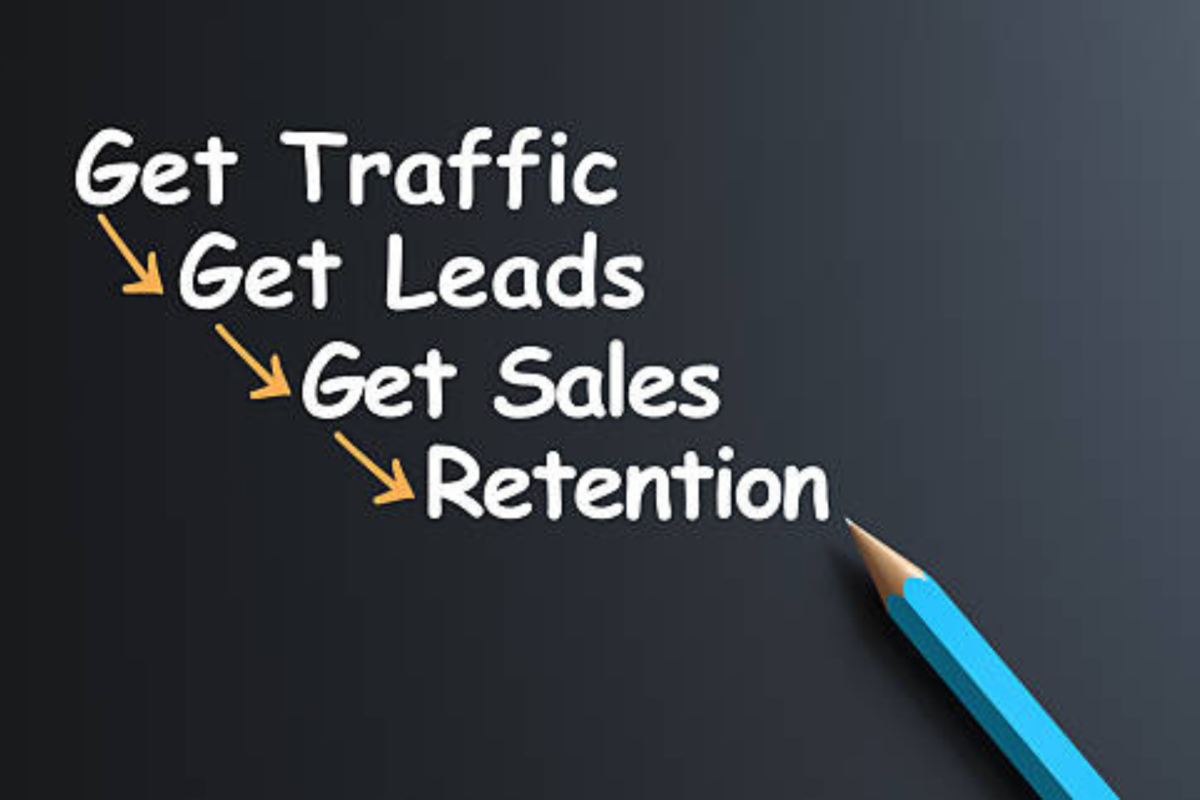
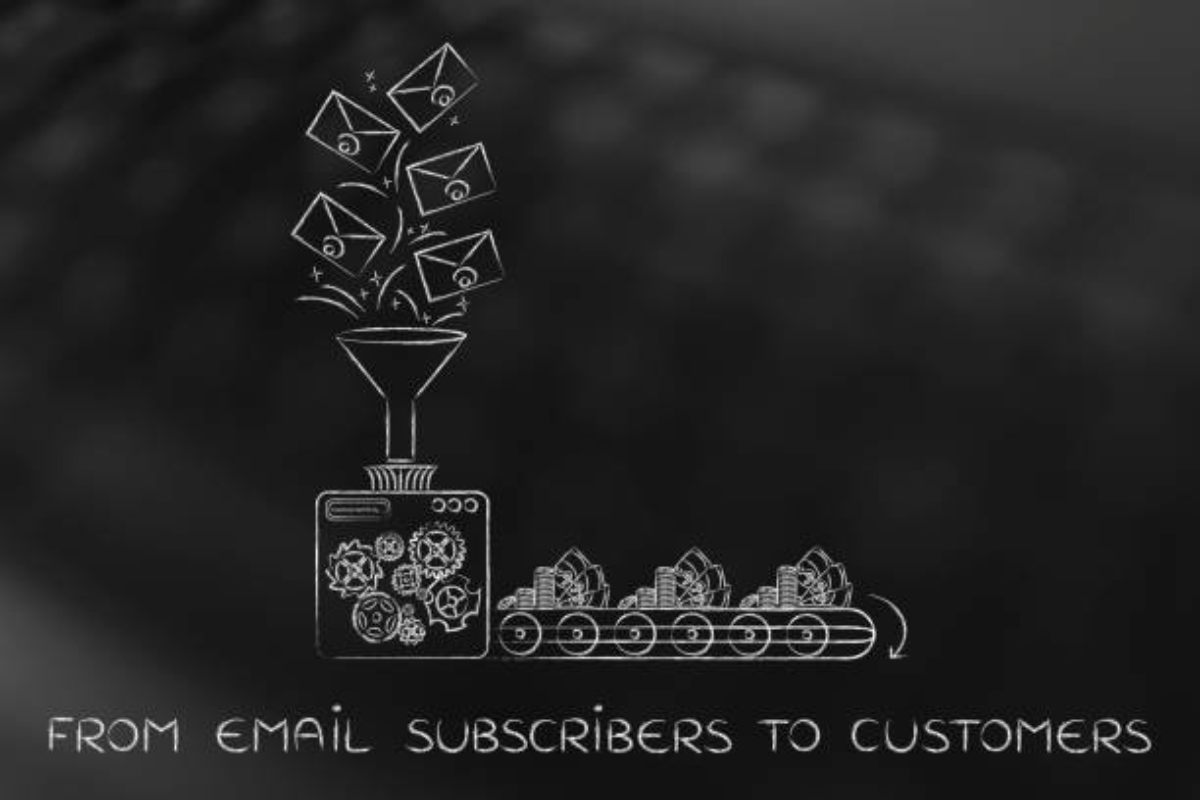
At its core, an email funnel is simply a series of emails with a purpose. Each message moves a potential client one small step forward—from initial interest to a clear next action, like booking a call or sending an inquiry.
For service-based businesses, this approach works especially well because you’re not asking for an impulse decision. You’re guiding someone through a thought process.
Email funnels help you:
- Show how you think and work
- Build trust over time
- Answer common questions before they’re asked
- Stay in touch without awkward or manual follow-ups
Instead of sending random emails and hoping something sticks, a funnel gives your communication direction.
Why Service Buyers Need More Than One Touchpoint
Most people don’t hire a service provider after one interaction. They compare options. They sit with the decision. They look for reassurance that they’re making the right choice.
An email funnel supports that decision-making process in a calm, structured way.
It allows you to:
- Stay top of mind without being intrusive
- Explain your services clearly and consistently
- Pre-qualify leads before you ever speak to them
- Reduce how much you repeat yourself on sales calls
In other words, it makes your sales process smoother—for both you and your future clients.
The Natural Flow of a High-Converting Email Funnel
While funnels can look different depending on your business, most effective ones follow a similar rhythm. Think of it as a conversation that unfolds over time.
A strong service-based email funnel usually includes:
- A clear entry point
- A warm introduction and expectation setting
- Helpful education and insights
- Trust and credibility building
- A natural invitation to take the next step
Each part has a job to do. None of them need to feel aggressive or salesy.
Starting Strong with the Right Entry Point
Everything begins with how someone enters your funnel.
For service-based businesses, the best opt-in offers solve a small but meaningful problem related to your work. You’re not trying to teach everything upfront. You’re simply showing that you understand their world.
Good entry points might include:
- A checklist that brings clarity
- A short guide or PDF
- A simple self-assessment
- A focused mini email series
The goal is alignment. You want people who are already close to needing your service—not just anyone collecting free resources.
The Welcome Email Sets the Relationship Tone
Your first email matters more than most people realize.
This is where you:
- Thank them for being there
- Deliver what you promised
- Let them know what’s coming next
- Briefly explain who you are and how you help
This isn’t the moment to sell. It’s the moment to sound like a real person—clear, professional, and grounded.
A good welcome email feels reassuring. It lets the reader know they made a good decision by signing up.
Using Education to Build Trust (Not Impress)
Education is the heart of a service-based email funnel.
Your future clients want to feel more informed—not overwhelmed. They want to understand their problem better and see that you know what you’re talking about.
Helpful educational emails often cover:
- Common mistakes people make
- Misconceptions about your service
- How you approach problems differently
- Lessons you’ve learned from real experience
This isn’t about showing off. It’s about helping people think more clearly. When they understand the problem better, they naturally see the value in your solution.
Showing Credibility Without Bragging
Trust grows when people see consistency and clarity—not hype.
Your funnel should gently reinforce:
- Your experience
- Your process
- The kind of results you help create
This can look like:
- Short client stories
- Case study snapshots
- Behind-the-scenes explanations of how you work
- Walkthroughs of your approach
Instead of saying “I’m an expert,” you’re letting your emails demonstrate it.
Answering the Questions People Don’t Say Out Loud
Most prospects have concerns they won’t ask directly:
- “Is this really for someone like me?”
- “Will this actually work in my situation?”
- “Is this worth the cost?”
Email funnels give you the space to address these gently and honestly.
You can explain:
- Who your services are best suited for
- How pricing reflects value and outcomes
- What realistic success looks like
When objections are handled early, the eventual decision feels easier and less stressful.
Inviting Action Without Making It Awkward
By the time you introduce your call-to-action, it shouldn’t feel like a sudden pitch.
For service-based businesses, conversion often means:
- Booking a consultation
- Scheduling a discovery call
- Submitting an inquiry form
If your funnel has done its job, this invitation feels like a natural next step—not pressure.
The reader already understands what you do, how you work, and whether you’re a good fit.
Writing Emails That Feel Human (and Still Convert)
High-converting emails don’t try to be clever. They try to be clear.
The most effective service-based emails are:
- Easy to read
- Focused on one main idea
- Helpful rather than promotional
- Confident without being pushy
A simple structure works best:
- Open with something relatable
- Share one clear insight
- End with a gentle next step
Think conversation, not campaign.
How Long Should Your Funnel Be?
There’s no perfect number, but most service-based funnels work well with around 7 to 12 emails.
That gives you enough space to:
- Build trust
- Deliver real value
- Introduce your services naturally
Shorter funnels can feel rushed. Longer ones require strong focus to avoid drifting. What matters most is consistency and intention.
Timing, Automation, and Sustainability
Email funnels work best when they reflect how relationships actually form.
Many funnels start with emails closer together, then space out over time. This keeps engagement strong without overwhelming people.
Automation is what makes this sustainable. Once your funnel is set up, it:
- Runs in the background
- Nurtures leads consistently
- Reduces manual follow-up
Automation doesn’t remove the human element—it protects your energy.
Tracking What Matters and Avoiding Common Pitfalls
You don’t need perfection. You need patterns.
Pay attention to:
- Opens
- Clicks
- Actions taken
Small adjustments over time make a big difference.
- Selling too early
- Cramming too much into one email
- Talking about features instead of outcomes
- Using a tone that doesn’t sound like you
The best funnels feel intentional, calm, and aligned.
Why Email Funnels Create Long-Term Stability
Email funnels aren’t just about getting clients today. They support your business over time.
They help you:
- Nurture leads consistently
- Improve the quality of sales conversations
- Reduce reliance on constant content creation
For service-based businesses, that stability is invaluable.
Why Build High-Converting Email
Building high-converting email funnels isn’t about manipulation or pressure. It’s about clarity, trust, and thoughtful communication.
When your emails educate, reassure, and guide people at the right pace, conversion becomes a natural outcome—not something you have to force.
Email funnels allow you to show your value before asking for commitment. And for service-based businesses, that makes them one of the most effective—and respectful—tools you can use to grow.
If your goal is sustainable growth that feels aligned with how you work, email funnels aren’t optional. They’re foundational.