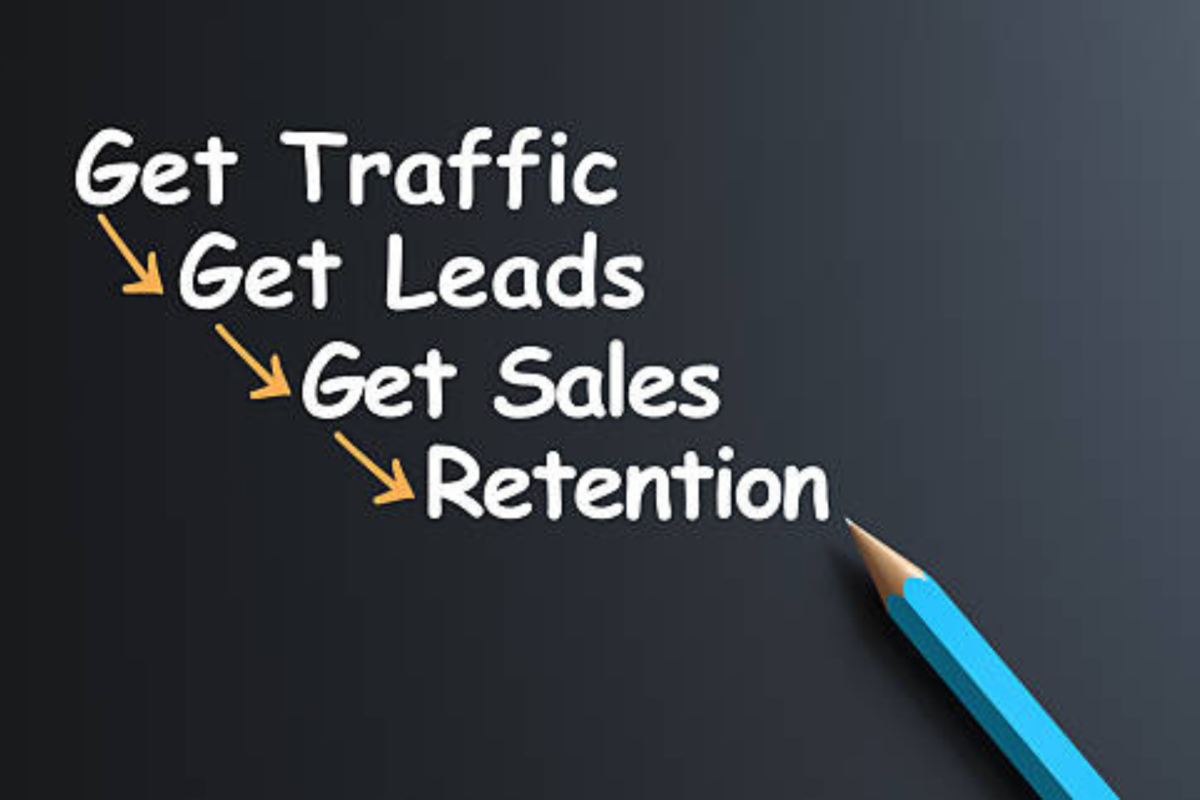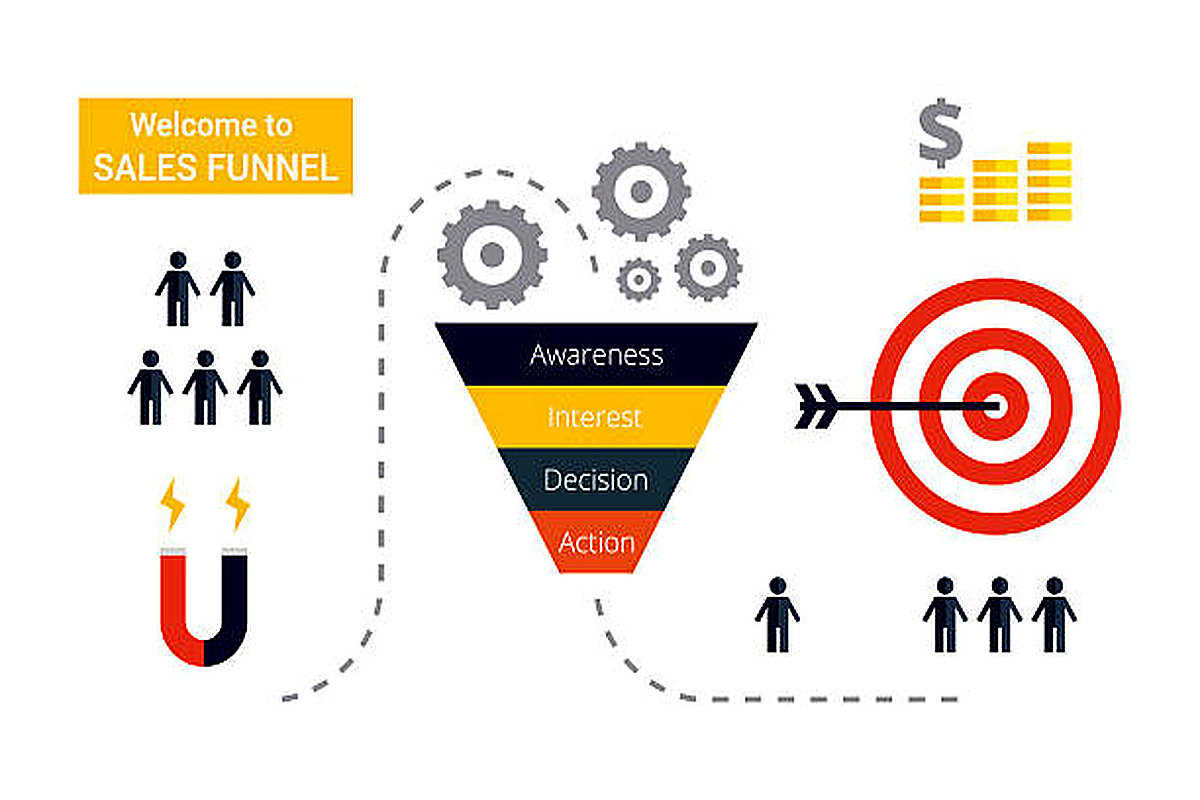
For small businesses and agencies, a reliable funnel creates consistent opportunities without constant chasing.
However, if you want consistent business growth, visibility alone isn’t enough. You need a structured system that turns attention into conversations, and conversations into clients.
That system is your lead generation funnel.
A reliable funnel doesn’t depend on luck, random referrals, or inconsistent marketing bursts. It works intentionally. It guides the right people from discovering your brand to confidently deciding to work with you.
When built correctly, a funnel creates predictability. You can forecast revenue more accurately, reduce stress around where the next client will come from, and give your marketing real direction.
Let’s walk through how to build one in a practical, sustainable way.
Start With Precision: Who Is This Funnel For?
Before you build anything, get clear on exactly who you want to attract.
Broad targeting weakens performance. Precision strengthens it.
Define your ideal client in detail:
- Industry or niche
- Business size and revenue range
- Geographic focus (if relevant)
- Core pain points
- Goals
- Budget expectations
- Decision-making authority
“Small business owners” is too broad.
“Service-based entrepreneurs earning $100K–$500K annually who need predictable online lead generation” is specific.
Your messaging, content, and offers should speak directly to that defined person. The more precise your targeting, the more qualified your leads will be.
Build the Funnel Around a Clear Core Offer
Every strong funnel revolves around one clear offer.
If prospects don’t know what they’re ultimately moving toward, they won’t move at all.
Your offer should communicate:
- A specific outcome
- A defined process
- Clear deliverables
- Strong positioning
For example, instead of saying “marketing services,” position something like:
“A 90-day lead generation system designed to help service businesses increase inbound inquiries by 30%.”
Clarity builds trust. Specificity improves conversions.
Attract Attention Strategically (Top of Funnel)
At the top of your funnel, the goal is visibility and relevance—not hard selling.
People at this stage are becoming aware of their problem or exploring solutions. They’re reading, researching, and learning.
Effective top-of-funnel channels include:
- SEO-optimized blog content
- Educational social media posts
- Short-form video
- Paid ads
- Webinars or workshops
Your content should answer questions, address common challenges, and provide useful insights. When you consistently demonstrate expertise, you earn credibility.
This stage is about positioning, not pushing.
Capture Leads with a Relevant Entry Point
Once you have attention, you need a way to capture contact information. That’s where a lead magnet comes in.
A lead magnet is a valuable resource offered in exchange for an email address or contact details. It should be:
- Highly specific
- Immediately useful
- Directly aligned with your core service
Examples include:
- A checklist
- A strategic guide
- A diagnostic assessment
- A free audit
- A webinar replay
- A template
If you offer SEO consulting, a lead magnet like “10 Technical SEO Fixes That Improve Rankings for Small Businesses” makes sense. It attracts the right audience and naturally leads toward your paid service.
Relevance ensures you attract qualified prospects, not just subscribers.
Use a Focused Landing Page
Your lead magnet deserves a dedicated landing page with one clear objective: conversion.
That page should include:
- A strong, benefit-driven headline
- Clear bullet points explaining value
- Minimal distractions
- A simple opt-in form
- A direct call to action
Avoid sending traffic to your homepage. Focus improves conversion rates. Simplicity performs better than complexity.
Nurture Consistently with Automation
Capturing a lead is only the beginning.
Many funnels fail because there’s no structured follow-up. An automated email sequence keeps the conversation going while building trust.
A simple nurture flow might look like this:
- Delivery email with the promised resource
- Educational follow-up expanding on the topic
- A case study or success story
- Insight into your process
- A clear invitation to book a consultation
Each message should move the prospect one step closer to clarity and confidence.
Consistency builds familiarity. Familiarity builds trust.
Bridge the Gap with a Mid-Funnel Offer
Not every lead will jump straight into your main service. A mid-funnel offer can help filter serious prospects from casual subscribers.
This could be:
- A strategy session
- A paid audit
- A group workshop
- A low-cost introductory service
Mid-level offers serve two purposes: they generate revenue and qualify leads. Prospects who invest, even modestly, are more likely to commit to larger engagements.
Make the Decision Stage Easy
When someone reaches the bottom of your funnel, clarity is critical.
Your conversion assets should include:
- Detailed service pages
- Testimonials and case studies
- FAQs addressing common objections
- Clear pricing information (when appropriate)
- Strong calls to action
Make it easy to book a consultation, schedule a call, or submit an inquiry. Remove friction wherever possible. Complicated processes reduce conversion rates.
At this stage, trust and clarity drive decisions.
Track What Matters and Refine
A reliable funnel is measurable.
Track:
- Traffic sources
- Landing page conversion rates
- Email open and click rates
- Consultation bookings
- Sales conversion rates
- Cost per lead (if using ads)
These metrics reveal exactly where improvement is needed.
High traffic but low opt-ins may mean weak messaging.
Strong opt-ins but few bookings may indicate ineffective nurturing.
Many consultations but low sales may signal qualification issues.
Data replaces guesswork.
Strengthen Trust at Every Stage
Trust is the backbone of any reliable funnel.
You build it by:
- Demonstrating expertise
- Sharing proof of results
- Showing testimonials and client stories
- Maintaining professional branding
- Communicating consistently
Trust reduces hesitation. The more credible and transparent you are, the easier it is for prospects to move forward.
Keep It Simple, Stay Consistent, and Diversify Traffic
Funnels don’t fail because they’re too simple. They fail because they lack clarity, follow-up, or consistency.
You don’t need dozens of tactics. You need alignment.
It also helps to diversify traffic sources. Combine organic search, social media, paid ads, referrals, and partnerships. Multiple channels reduce risk and increase stability. If one slows down, others continue feeding your funnel.
And always prioritize quality over volume. High lead numbers mean little if they’re not aligned with your ideal client. Clear messaging and targeted offers filter out poor-fit prospects early.
Bringing It All Together
A reliable lead generation funnel includes:
- A clearly defined ideal client
- A focused core offer
- Strategic visibility channels
- A relevant lead magnet
- A conversion-focused landing page
- An automated nurture sequence
- Optional mid-funnel qualification
- Strong bottom-of-funnel conversion assets
- Ongoing tracking and refinement
Each stage supports the next.
When everything aligns, your marketing becomes predictable instead of reactive. You reduce dependence on inconsistent referrals, increase qualified inquiries, and create a steady flow of opportunity.
A well-built funnel doesn’t just generate leads.
It builds stability, and that’s what sustainable growth truly depends on.