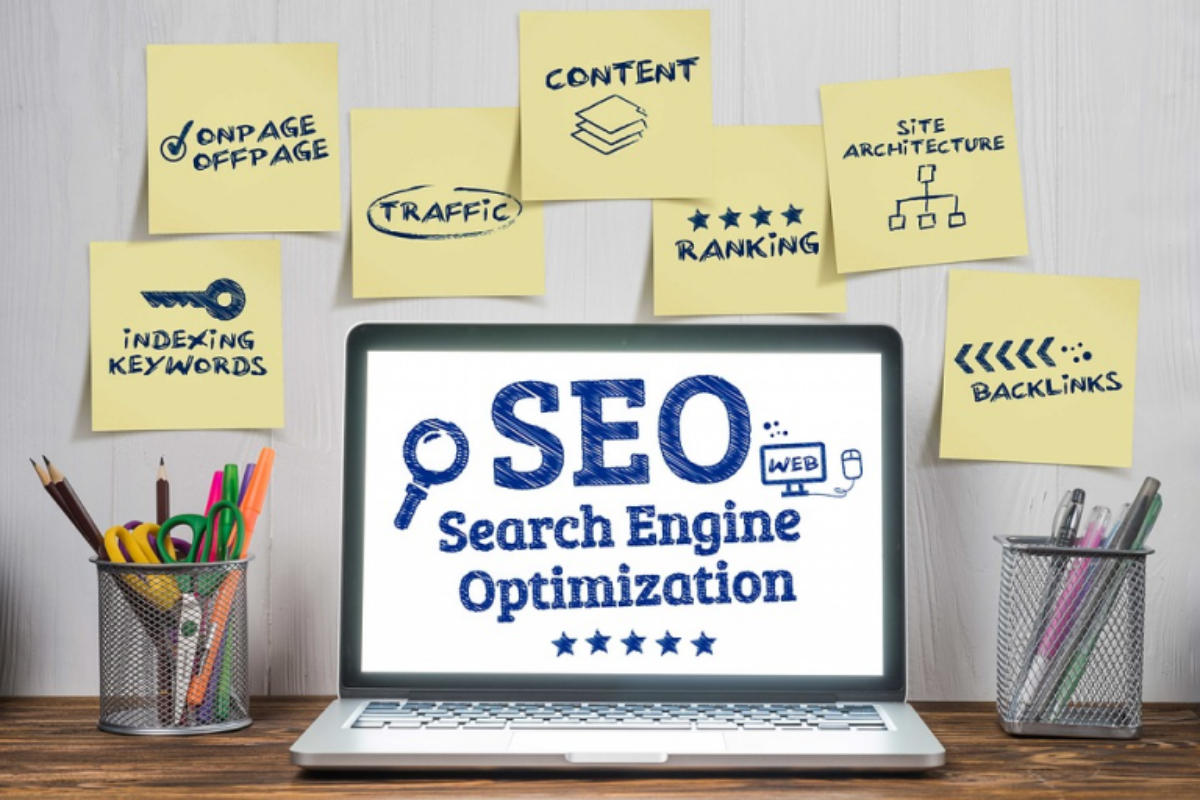
An on-page SEO is where you take charge by optimizing the signals, content, and structure that search engines use to choose which pages to appear first.
But here’s the real point. What if:
- Your website can look polished.
- It can reflect your brand well.
- It can clearly explain what you offer.
However, if it isn’t optimized properly, it will struggle to rank in search results. And when rankings suffer, so do visibility, traffic, and leads.
The advantage of on-page SEO is simple: it’s within your control. Unlike backlinks or algorithm updates, the elements on your website can be adjusted, refined, and improved directly. When done well, on-page SEO strengthens search visibility, improves user experience, and supports conversions at the same time.
Let’s break down what actually moves the needle.
Start With Strategic Keyword and Content Optimization
Keywords still matter. But how you use them matters more than how often you use them.
Instead of chasing high search volume, focus on relevance and intent. A broad keyword like “marketing” may attract traffic, but it won’t necessarily attract the right audience. A more specific phrase like “email marketing services for coaches” aligns better with buyer intent and brings in more qualified visitors.
Once you identify the right keyword, place it strategically. It should appear naturally in:
- The page title (H1)
- The title tag
- The meta description
- The first section of content
- At least one subheading
- The URL when appropriate
Avoid forcing repetition. Search engines recognize unnatural keyword stuffing. Write clearly and use related terms to reinforce context.
Beyond keywords, content quality is critical. Strong on-page content is structured, comprehensive, and easy to navigate. Use one H1 per page, clear H2s and H3s for organization, short paragraphs, and logical flow.
Thin content underperforms. Instead of publishing multiple shallow pages, focus on building in-depth resources that fully address a topic. When visitors stay longer and engage, search engines interpret that as a positive signal.
Write for humans first. Rankings follow clarity.
Optimize What Appears in Search Results
Your title tag and meta description are the first things users see in search results. They influence both rankings and click-through rates.
A strong title tag includes your primary keyword and clearly communicates value within 50–60 characters. Compare:
- “Our Services”
- “Local SEO Services for Small Businesses”
Specificity performs better.
Meta descriptions don’t directly impact rankings, but they influence clicks. Think of them as your organic search advertisement. Keep them concise (150–160 characters), clear, and action-oriented. Summarize what the page offers and give users a reason to click.
Even strong rankings won’t help if no one clicks.
Improve Structure, URLs, and Internal Linking
Search engines need clarity. Users do too.
Clean URL structures help both. A URL like: yoursite.com/email-marketing-services
is far more effective than: yoursite.com/page?id=12345
Keep URLs short, descriptive, and free from unnecessary symbols or numbers.
Internal linking is another powerful, often underused technique. Linking related pages together helps search engines crawl your site more effectively and distributes authority across your domain. It also guides users toward relevant next steps.
For example, a blog post explaining SEO basics can link naturally to your SEO audit service page. A case study can link to your primary service offering.
Use descriptive anchor text instead of generic phrases like “click here.” Internal links should feel helpful, not forced.
When your pages connect logically, overall performance improves.
Strengthen User Experience and Technical Performance
User experience is now closely tied to SEO. Search engines consider engagement signals such as bounce rate, time on page, and overall usability.
Start with readability. Use white space, concise paragraphs, and clear formatting. Make your content easy to scan. Clarity reduces friction.
Mobile optimization is non-negotiable. Most searches happen on mobile devices. Your website must load quickly, display properly, and have easily clickable elements. Intrusive pop-ups or poor formatting can damage both experience and rankings.
Page speed is equally important. Slow websites lose visitors and search visibility. Improve performance by compressing images, minimizing heavy scripts, enabling caching, and using reliable hosting. Even small improvements in speed can positively affect conversion rates.
SEO and user experience are no longer separate disciplines. They work together.
Optimize Images and Structured Data
Images enhance engagement, but they must be optimized properly.
Use descriptive file names instead of generic ones. Add concise, relevant alt text to improve accessibility and help search engines understand image context. Compress images to maintain quality without slowing down your site.
You can also improve visibility by structuring content clearly for featured snippets. Answer questions directly, use bullet points or numbered lists where appropriate, and provide concise definitions near the top of relevant pages. Clear formatting increases your chances of appearing in enhanced search results.
Schema markup (structured data) adds another layer of clarity for search engines. FAQs, reviews, local business details, articles, and services can all benefit from schema. While it may require technical implementation, it can significantly improve how your listings appear in search.
Align SEO With Conversion
On-page SEO should not focus only on rankings. It should support action.
Include clear calls to action that match user intent. After explaining value, guide visitors toward the next logical step:
- Schedule a consultation
- Download a checklist
- Request a proposal
Position CTAs naturally—after solving a problem or explaining a benefit. Traffic without direction does not generate growth.
Conversion optimization happens throughout the page, not just at the bottom.
Update and Refine Regularly
SEO is not static. Pages that perform well today can decline if neglected.
Periodically refresh statistics, improve clarity, expand thin sections, update internal links, and refine messaging. Updating existing content can often improve rankings faster than creating entirely new pages.
Measure what matters: organic traffic, keyword rankings, conversion rates, bounce rate, and page speed metrics.
If a page ranks but doesn’t convert, refine the messaging or CTA.
If it converts but doesn’t rank, strengthen keyword targeting and internal linking.
On-page SEO is an ongoing refinement process, not a one-time task.
The Bigger Picture
When implemented consistently, on-page SEO improves visibility, strengthens authority, enhances engagement, and supports sustainable lead generation.
Small improvements compound. Optimizing one page strengthens your domain. Maintaining optimization across your site builds momentum over time.
Your website stops being a static online brochure. It becomes an active growth asset.
That’s the real impact of disciplined, well-executed on-page SEO.