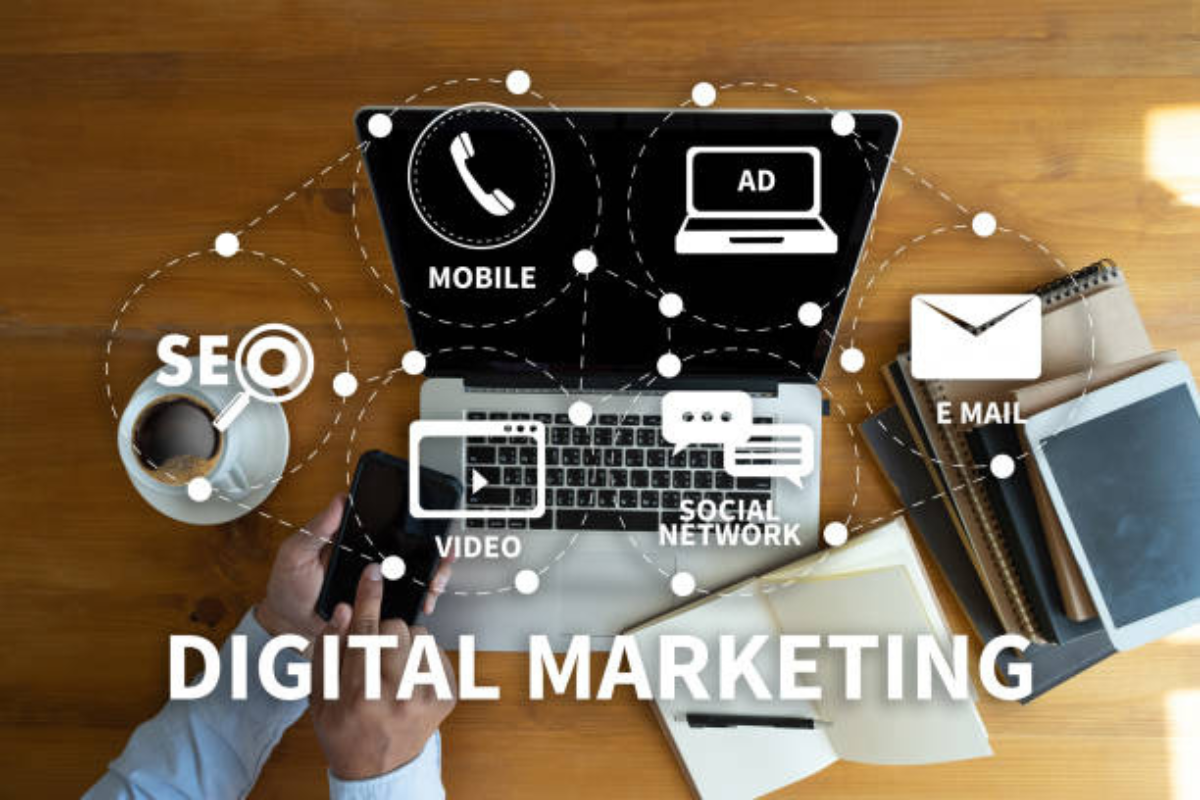
Let’s be honest— the majority of businesses are using digital marketing in a certain way.
A website, a few social media posts, maybe an email list, and possibly even ads running in the background. On paper, it looks like marketing is happening. But the real question is this:
Is any of it actually helping the business grow?
That’s where alignment comes in.
The confusion usually isn’t about effort. Teams are busy. Campaigns are running. Content is being published. But despite all that activity, the results feel unclear or disconnected from real business progress.
That gap almost always comes down to alignment.
When digital marketing services aren’t connected to clear business goals, marketing starts to feel scattered. When they are aligned, everything feels more intentional, easier to manage, and far more effective.
Why Alignment Makes Such a Big Difference
Marketing isn’t meant to exist just to “stay active online.” Its job is to support the business.
When there’s no alignment, marketing often feels busy but unproductive. You’re posting, publishing, sending emails, but you’re not quite sure what it’s all leading to. Results feel hard to explain, and decisions start to feel reactive.
When marketing is aligned with business goals, things click into place. Every effort has a purpose. You know why you’re doing what you’re doing. It’s easier to see what’s working, what’s not, and what to adjust next.
Alignment brings clarity, and clarity makes marketing much easier to trust.
Start With the Business Goals, Not the Marketing Tools
One of the most common mistakes businesses make is jumping straight into tactics.
SEO, social media, email marketing, ads—these are all useful tools, but they shouldn’t come first. The first question should always be: What does the business actually need right now?
Most business goals fall into a few familiar categories:
- Increasing revenue
- Bringing in more qualified leads
- Building visibility or authority
- Keeping existing clients engaged
- Expanding into new markets
Once those goals are clear, marketing decisions become much simpler.
Instead of saying, “We need to do more marketing,” you can say, “We need more discovery calls,” or “We need to build trust before people are ready to buy.” Those are goals marketing can actually support.
From there, it’s easier to turn business goals into marketing objectives—things like improving conversion rates, attracting the right traffic, or nurturing leads over time.
Know What Each Marketing Service Is Really Good At
One common source of frustration is expecting a service to do something it isn’t designed to do.
Each digital marketing service has a role:
SEO supports long-term visibility, credibility, and inbound traffic. It helps people find you when they’re actively searching for solutions, but it takes time to build momentum.
Content marketing builds trust and authority. It helps educate audiences, nurture leads, and support conversions over time.
Email marketing keeps the conversation going. It’s ideal for follow-ups, retention, and lifetime value by staying connected with people who already showed interest.
Social media marketing increases visibility and engagement. It helps people recognize your brand and stay familiar with what you offer.
Paid advertising delivers speed. It’s useful for promotions, testing offers, or scaling funnels that already work.
Alignment becomes much easier when expectations match what each service is actually meant to deliver.
Focus on What Matters and Measure the Right Things
Here’s some good news: you don’t need to do everything at once.
Different stages of business require different priorities. A newer business may need visibility first. A growing business may need better lead flow. A more established business may benefit from retention and optimization.
Trying to run every service at the same time often leads to burnout and unclear results.
Once priorities are set, success should be simple to measure. Each service should connect to a goal that actually matters to the business—leads, inquiries, bookings, conversions—not just likes or traffic for the sake of traffic.
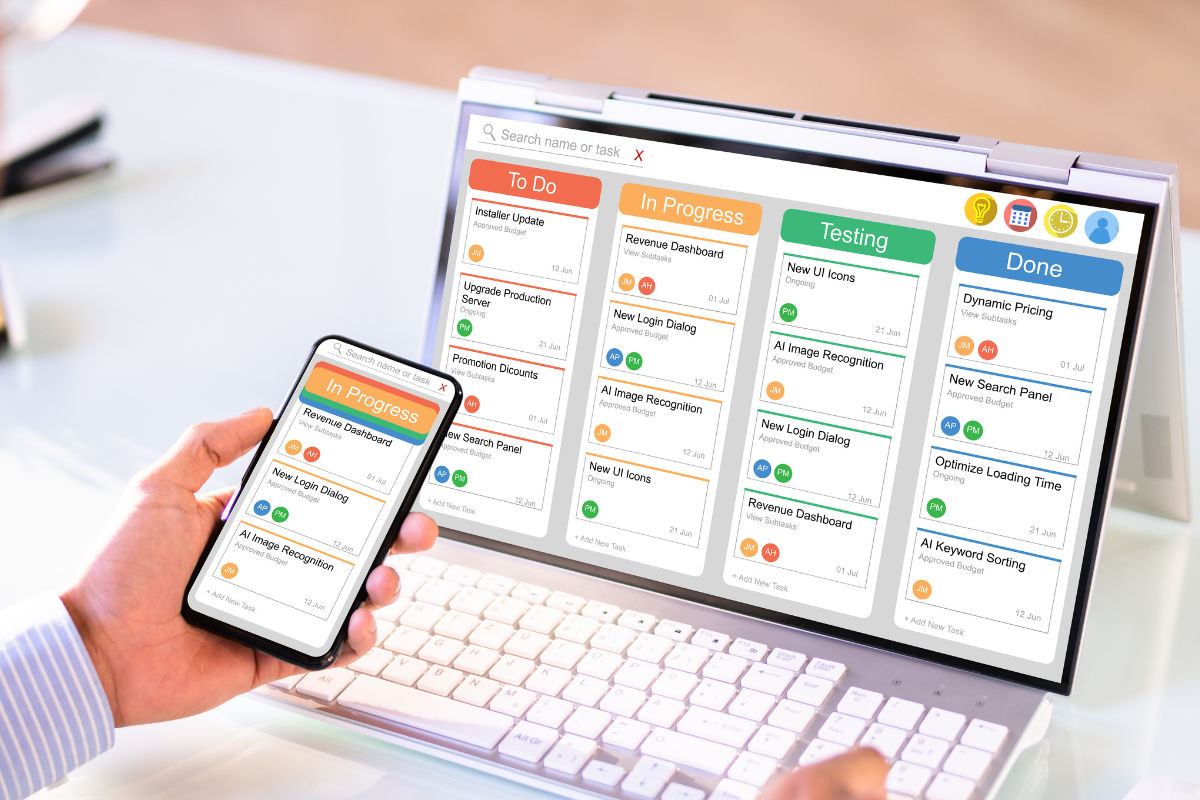
It also helps to think of marketing as a system instead of separate tasks. One effort supports the next. Content brings people in, email builds trust, ads speed things up. When everything works together, results feel more natural and less forced.
Keep the Message Consistent and Think About the Customer Journey
Alignment isn’t just about what you do—it’s about how it all sounds and feels to the customer.
Across every platform, people should quickly understand:
- Who you help
- What problem you solve
- Why your solution matters
When messaging changes too much from one channel to another, trust drops. When it’s consistent, confidence grows.
It also helps to remember that people don’t all buy at the same time. Some are just discovering you. Others are comparing options. A few are ready to decide.
Aligned messaging strengthens brand identity and makes it easier for people to take the next step.
Revisit, Adjust, and Stay Aligned Over Time
Alignment isn’t something you set once and forget.
Business goals change. Offers evolve. Markets shift. Marketing needs to adjust along the way.
Regular check-ins help make sure marketing is still supporting the business, not just running on autopilot. These conversations work best when they focus on outcomes, not just activity.
Clear communication between business owners, marketing teams, and service providers makes alignment much easier to maintain. Data helps guide decisions, but clarity and shared expectations matter just as much.
Aligning digital marketing services with business goals doesn’t mean doing more—it means doing things with intention.
When marketing is aligned:
- Decisions feel clearer
- Results make more sense
- Growth feels more controlled and sustainable