If you’ve been in business for a while, this probably sounds familiar.
Some months look great, leads are coming in, sales feel steady, and then the next month feels quiet, uncertain, and stressful.
It’s easy to assume this kind of inconsistency is just “part of business.” But more often than not, it has very little to do with your offer, your pricing, or even your skills.
That up-and-down cycle usually isn’t about how good your product or service is. More often, it’s a sign that your marketing depends heavily on effort instead of structure.
Predictable revenue doesn’t come from luck, viral posts, or one successful campaign.It comes from systems, simple, repeatable ways of attracting the right people, building trust, and guiding them toward working with you.
That’s what digital marketing systems are really about. They don’t remove the work, but they make the work more reliable. And when they’re built intentionally, they don’t just support revenue — they bring stability, clarity, and a lot less stress.
What Predictable Revenue Really Looks Like
Predictable revenue doesn’t mean your income is exactly the same every single month. Business just doesn’t work that way.
What it does mean is reducing uncertainty.
When revenue is predictable, you start to notice patterns instead of surprises. You see a steadier flow of qualified leads. You understand how long it usually takes for someone to go from “just found you” to “ready to buy.” You get clearer insight into what actually drives sales — and what doesn’t.
That clarity changes everything.
- Planning feels easier.
- Hiring feels less risky.
- Investing in tools or support feels more intentional.
Instead of reacting to slow months, you can make decisions based on what you already know tends to work.
Digital marketing systems create that clarity behind the scenes. They give your business a structure to lean on so revenue isn’t dependent on last-minute pushes or constant reinvention.
Why One-Off Marketing Feels Exhausting (and Unreliable)
A lot of businesses rely on isolated marketing efforts without realizing it.
They post on social media when there’s time. They run ads for a short stretch and stop. They send an email when they have something to sell. Sometimes these efforts work — and when they do, it feels encouraging.
But once the activity stops, the results stop too.
That’s the biggest issue with one-off marketing. It’s entirely effort-driven. No effort, no momentum. No momentum, no consistency.
Systems work differently. Once they’re in place, they keep working even when you’re focused elsewhere. They build momentum instead of forcing you to start from zero every time.
Instead of constantly asking, “What should I do next?” you start asking, “How does this fit into our overall growth process?”
That shift alone makes marketing feel calmer and more sustainable.
How Digital Marketing Systems Actually Work Together
At its simplest, a digital marketing system is a connected set of steps that guide someone from discovering your business to becoming a customer — and ideally, staying one.
Most systems follow the same natural flow:
People find you.
- They take a small step to stay connected.
- They get to know you and trust you.
- They decide to work with you.
- They stay engaged afterward.
That’s it.
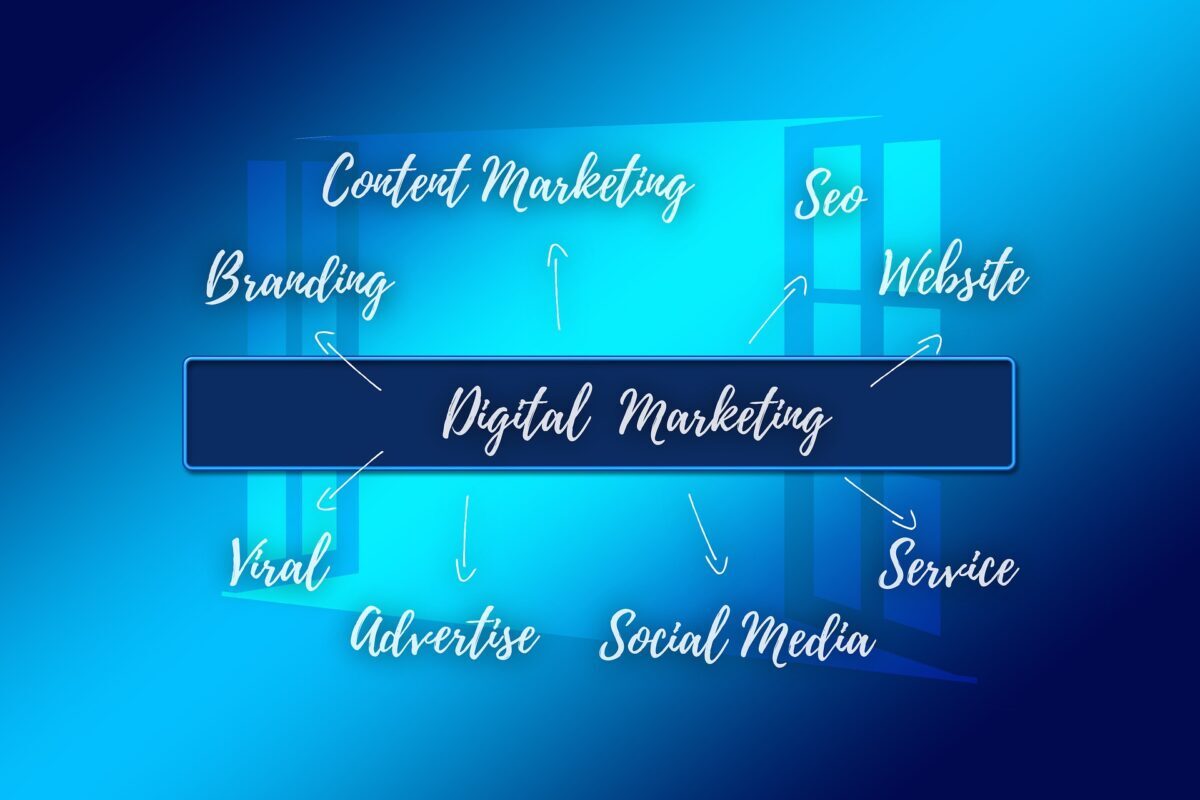
To support that journey, your system usually includes five core pieces: visibility, lead capture, nurturing, conversion, and retention. Each part matters, and when they work together, revenue becomes far more predictable.
Visibility is where everything begins. This is how people consistently discover your business, through search engines, social media, content, paid ads, or partnerships. You don’t need to be everywhere. You just need to show up consistently where your audience already is.
SEO and content marketing are especially powerful here because they compound over time. A blog post, video, or guide can keep bringing in traffic long after it’s published, which supports long-term stability.
But traffic alone doesn’t pay the bills.
That’s where lead capture comes in. Lead capture systems give people a clear next step instead of letting them browse and disappear. This might look like an email sign-up, a lead magnet, or a discovery call. When done well, lead capture turns attention into opportunity.
From there, nurturing does the quiet but important work. Most people aren’t ready to buy the moment they find you. Nurturing — often through email — helps you stay connected, answer questions, share insights, and build trust over time. When someone is finally ready to take action, the relationship already feels familiar.
Conversion is where interest turns into revenue. This might be a sales page, a booking funnel, or a clear offer. The goal here isn’t pressure. It’s clarity, when the message is aligned and the process is simple, the right people move forward naturally.
And finally, retention keeps the system healthy. Following up, continuing the conversation, and offering ongoing value helps customers stay engaged. Retention smooths out revenue because you’re not always starting from scratch.
Why Systems Create Predictability (and Less Guesswork)
Systems create predictability because they create patterns.
When you understand how much traffic usually turns into leads, how many leads become customers, and how often customers return, revenue stops feeling mysterious. You can forecast more accurately and adjust intentionally.
Instead of guessing, you tweak inputs. More visibility. Better nurturing. Clearer messaging. Small improvements add up when the system is already working.
This is where data and automation quietly support everything. Tracking key metrics keeps decisions grounded. Automation ensures consistency without increasing workload. And alignment makes sure the system supports your actual business goals — not just activity for the sake of being busy.
Simple systems, executed consistently, almost always outperform complex setups that are hard to maintain.
Building Systems Without Overcomplicating Things
One of the biggest misconceptions about systems is that they have to be built all at once.
They don’t.
In fact, systems work best when they’re built gradually. Start with one main traffic source. Add one clear way to capture leads. Create one nurturing sequence. Let that foundation stabilize before expanding.
Consistency matters far more than perfection. Systems only stop working when execution stops.
Why Predictable Revenue Is About Structure, Not Control
Predictable revenue doesn’t mean controlling every outcome. It means understanding the process well enough to make informed decisions.
Digital marketing systems turn effort into structure — and structure into stability. Instead of reacting to each slow month or unexpected spike, you operate with clarity and confidence.
Over time, this structure reduces stress, improves planning, brings clarity to decision-making, and gives you space to think long-term instead of reacting month to month.
Predictable revenue isn’t about luck or timing. It’s about structure.
Digital marketing systems turn effort into process — and process into results. When they’re built intentionally, they support your business quietly and consistently in the background.
Instead of constantly chasing the next win, you start building something that supports you over time. And that’s when growth begins to feel steady, sustainable, and much more manageable.