Running a small business often means wearing multiple hats. On any given day, you may be handling customer inquiries, managing operations, overseeing finances, creating content, and trying to grow your business all at the same time.
With so many responsibilities competing for attention, time quickly becomes one of your most valuable resources.
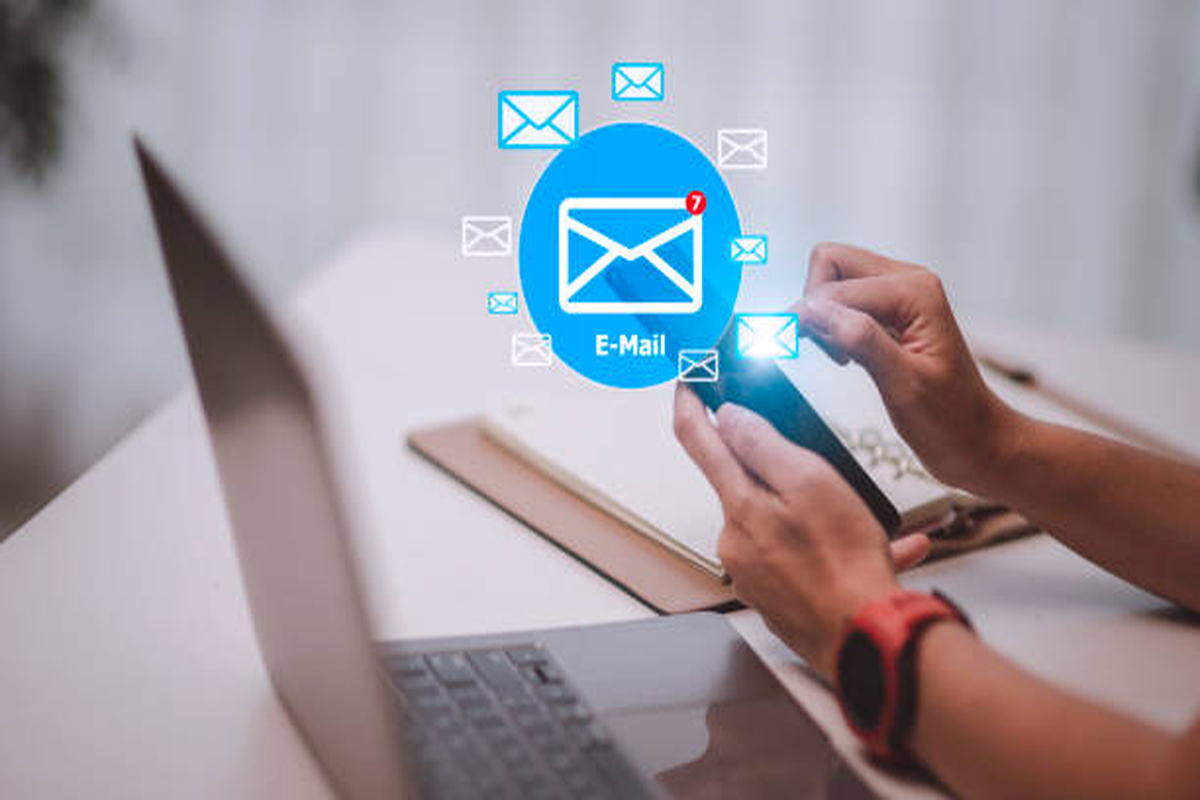
Email marketing automation helps by automating repetitive communication tasks that consume valuable time.
Let’s explore how it saves time and why it has become essential for small businesses.
What Is Email Marketing Automation?
Email marketing automation is the process of sending emails automatically based on specific triggers, behaviors, or schedules.
Instead of manually creating and sending every email, you build workflows that deliver the right message at the right time.
For example, automation can:
- Send a welcome email when someone joins your list
- Deliver follow-up content after a lead downloads a resource
- Remind customers about abandoned carts
- Share post-purchase information or recommendations
Once these workflows are set up, they continue running in the background with minimal ongoing management.
Why Email Marketing Automation Is Essential for Small Businesses
1. It Eliminates Repetitive Work
Many email tasks repeat constantly; welcomes, follow-ups, confirmations, reminders.
These tasks are important, but they don’t need to be handled manually every time.
Automation removes that repetition so you can focus on running the business instead of managing emails.
2. It Ensures No Lead Gets Missed
Most leads don’t convert immediately. Some need time, others need context.
Without a system, follow-ups are easy to forget.
Automation ensures every lead receives a structured follow-up sequence after taking action, no memory required, no missed opportunities.
3. It Builds Relationships in the Background
Customers rarely buy after one interaction. They need multiple touchpoints.
Email automation keeps that relationship active by delivering relevant content over time, even when you’re busy elsewhere.
4. It Improves Relevance Without Extra Work
Not every subscriber wants the same thing.
Automation tools segment audiences based on behavior, interests, or engagement, so people receive content that actually matches their needs.
This allows you to deliver more relevant content without manually organizing contacts.
5. It Works Around the Clock
Automation doesn’t follow office hours.
Emails are delivered:
- On weekends
- After business hours
- During holidays
- While you’re meeting clients
- While you’re asleep
Your marketing keeps running even when you’re not.
6. It Creates a Better Customer Experience
Customers expect timely communication.
Whether it’s a welcome email, confirmation, or follow-up, delays reduce trust.
Automation ensures customers get the right message at the right time consistently and without manual delays.
7. It Frees Time for Growth Work
The time saved isn’t just “extra space”, it’s capacity for higher-value work:
- Acquiring new customers
- Improving products or services
- Strengthening relationships
- Strategic planning
- Revenue-generating activities
Automation shifts your focus from repetitive tasks to actual growth.
Getting Started Doesn’t Have to Be Complicated
You don’t need a complex system to start.
Begin with simple, high-impact workflows:
- Welcome email sequences
- Lead nurturing campaigns
- Customer follow-ups
- Re-engagement emails
- Birthday or milestone messages
Start small. Build as you go.
Final Thoughts
The real value of email marketing automation isn’t the emails themselves; it’s the time and attention you get back.
By automating routine communication, you can spend less time managing processes and more time serving customers, improving your business, and pursuing growth opportunities.
For modern small businesses, email marketing automation isn’t just convenient; it’s operational leverage.